Technology and Gadgets
The Sensor Revolution in India: Smart Devices That Track Your Health
Learn how the Sensor Revolution is changing daily life in India. From smartwatches to sugar monitors, everyday devices now track health better than doctors. Simple guide for Indians and Gujaratis.
Introduction
Earlier, if you wanted to know about your health, you had to visit a doctor, do a test, or wait for a problem. Today, things have changed. The watch on your wrist, the phone in your pocket, even the bed you sleep on can track your health every minute.
These small tools use sensors – tiny parts that collect data about your body. They can tell your heart rate, blood oxygen, sugar level, sleep quality, and much more. In many cases, they find problems much earlier than a doctor visit.
This change is called the Sensor Revolution. In India, especially in Gujarat, people are adopting these gadgets very fast. Why? Because they are cheap, easy to use, and give peace of mind.
Let’s understand what this revolution means, how it is helping, and what we should be careful about.
What is a Sensor?
A sensor is a small tool that can sense something and show it as data. Example:
- A heart sensor counts your heartbeat.
- A motion sensor knows how much you walk.
- A sugar sensor checks your blood glucose.
Earlier, these were found only in hospitals. Today, they are inside watches, phones, and even cars.
Why Indians and Gujaratis are Using Sensors Fast
There are a few big reasons:
- Low cost – Indian brands like Noise, boAt, and Fire-Boltt sell smartwatches under ₹2,000.
- Health problems are rising – Diabetes, blood pressure, and heart issues are very common. Sensors help track these daily.
- Government support – Digital health missions are making online reports and records popular.
- Gujarati lifestyle – Families here focus on prevention and often check health regularly.
Devices That Know More Than Your Doctor
1. Smartwatches and Fitness Bands
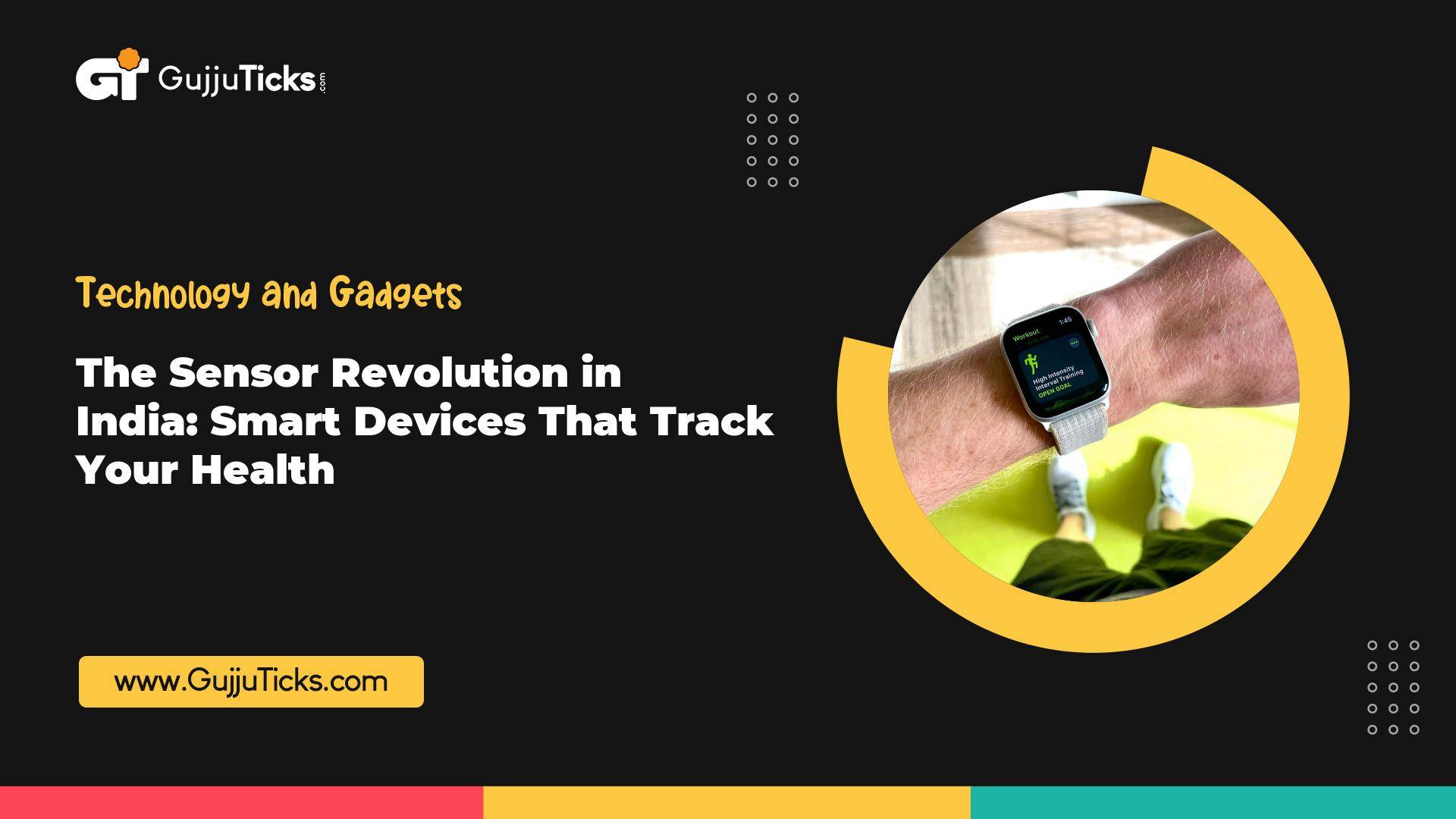
These are very popular in India. They do more than count steps.
- Check sleep quality – deep, light, or disturbed sleep.
- Detect irregular heartbeats.
- Measure oxygen (SpO2) levels.
- Show stress levels.
Example: A man in Ahmedabad wore a smartwatch. It showed his oxygen was low during sleep. Later, the doctor confirmed he had sleep apnea. The device gave him an early alert.
2. Smartphones with Health Features
Most phones today have sensors for health.
- Count steps and calories.
- Measure heartbeat or oxygen using the camera.
- Give reminders for water, walking, or rest.
For people in small towns and villages, this is like carrying a mini doctor in the pocket.
3. Sugar Sensors (CGM)
India is called the diabetes capital of the world. Gujarati food has lots of sweets, rice, and oily snacks. Continuous Glucose Monitors (CGM) are small patches that stick to the skin and show sugar levels every few minutes.
With this, a person can see how food affects sugar in real time. It helps in controlling diet and avoiding serious problems.
4. Smart Home Devices
Now homes are also becoming health-friendly.
- Air quality monitors tell if pollution or allergens are high.
- Smart beds track breathing and sleep.
- BP monitors connect with apps and share results.
Example: An elderly person in Rajkot sleeps on a smart bed. The bed detects irregular breathing and alerts the family. This can even save lives.
5. Cars with Sensors
Even vehicles are getting smart.
- Detect if the driver is sleepy.
- Seats check heart rate.
- Crash sensors automatically call for help.
On highways like Ahmedabad–Vadodara, such features are very useful for emergencies.
Benefits of Sensor Devices
- Early warning – Finds problems before they become serious.
- Personalized health – Gives tips based on your lifestyle.
- Saves money – One device can reduce hospital visits.
- Useful in villages – Where doctors are far away, sensors give basic health tracking.
- Convenience – You don’t need to go for tests every time.
Problems with Sensors
Not everything is perfect.
- Accuracy issues – Sometimes readings are wrong.
- Data privacy – Companies collect your health data. Who controls it?
- Fear factor – Some people panic after small changes in data.
- Digital gap – Many villages still don’t have internet or smartphones.
The Future of Sensors in India
The next 5–10 years will bring big changes:
- AI predictions – Devices may tell about a heart attack days before.
- Direct doctor link – Your watch data will go straight to your doctor.
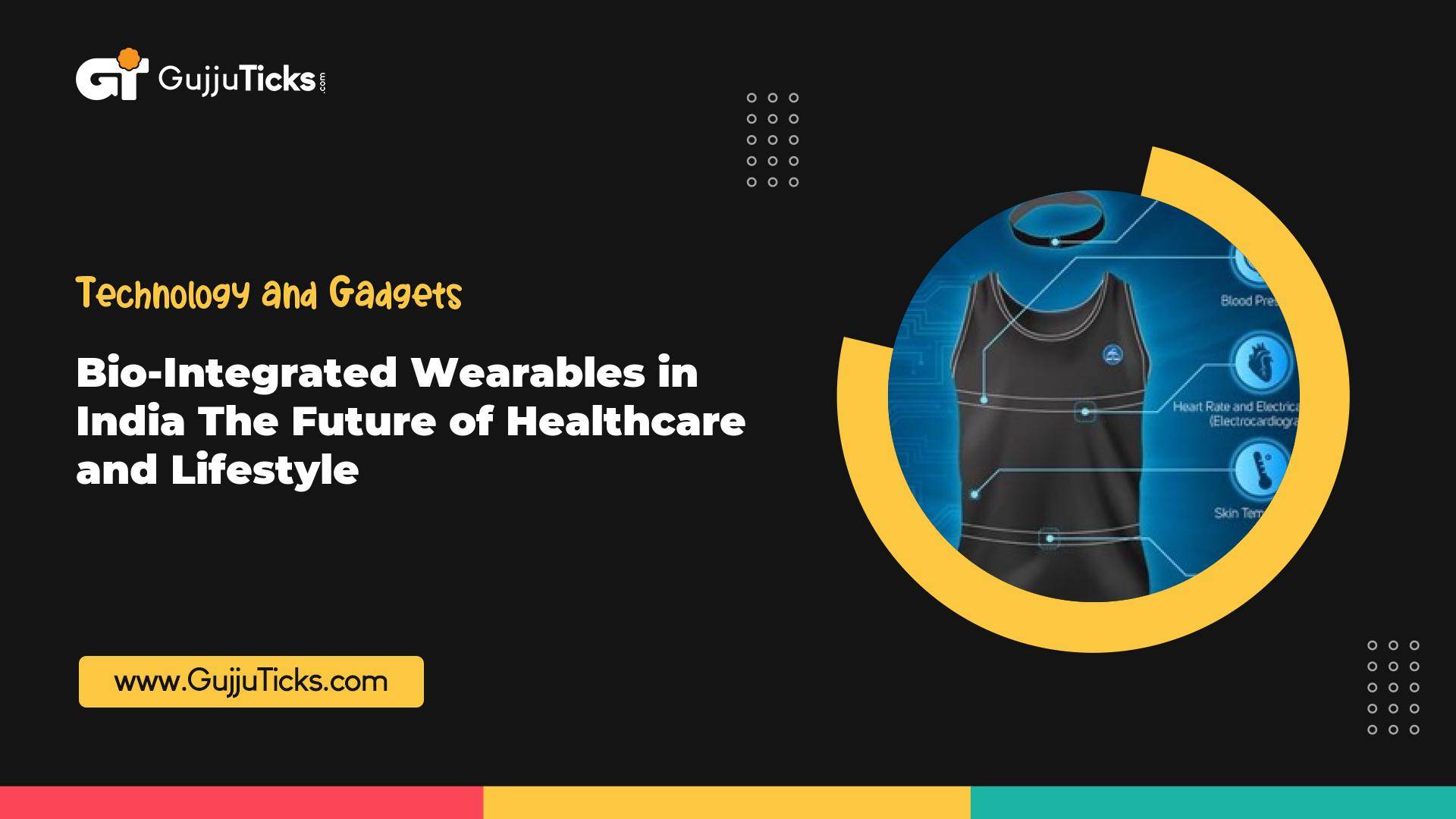
- Smart clothes – Shirts or sarees will have sensors to track posture and health.
- Insurance benefits – Companies may give discounts if your device proves you are healthy.
By 2030, experts say sensors will cut hospital visits by up to 40%. That means better health and big savings.
Final Thoughts
The Sensor Revolution is not about replacing doctors. It is about supporting doctors and patients together.
In India and Gujarat, where lifestyle diseases are common, these tools give hope. They track the body every second, something even the best doctor cannot do.
Your smartwatch, phone, or sugar patch is like a small guard that keeps watching your health. But remember – it is a helper, not a replacement for medical advice.
In the coming years, every Gujarati household, from Ahmedabad cities to Kutch villages, will benefit from this smart health wave.