Technology and Gadgets
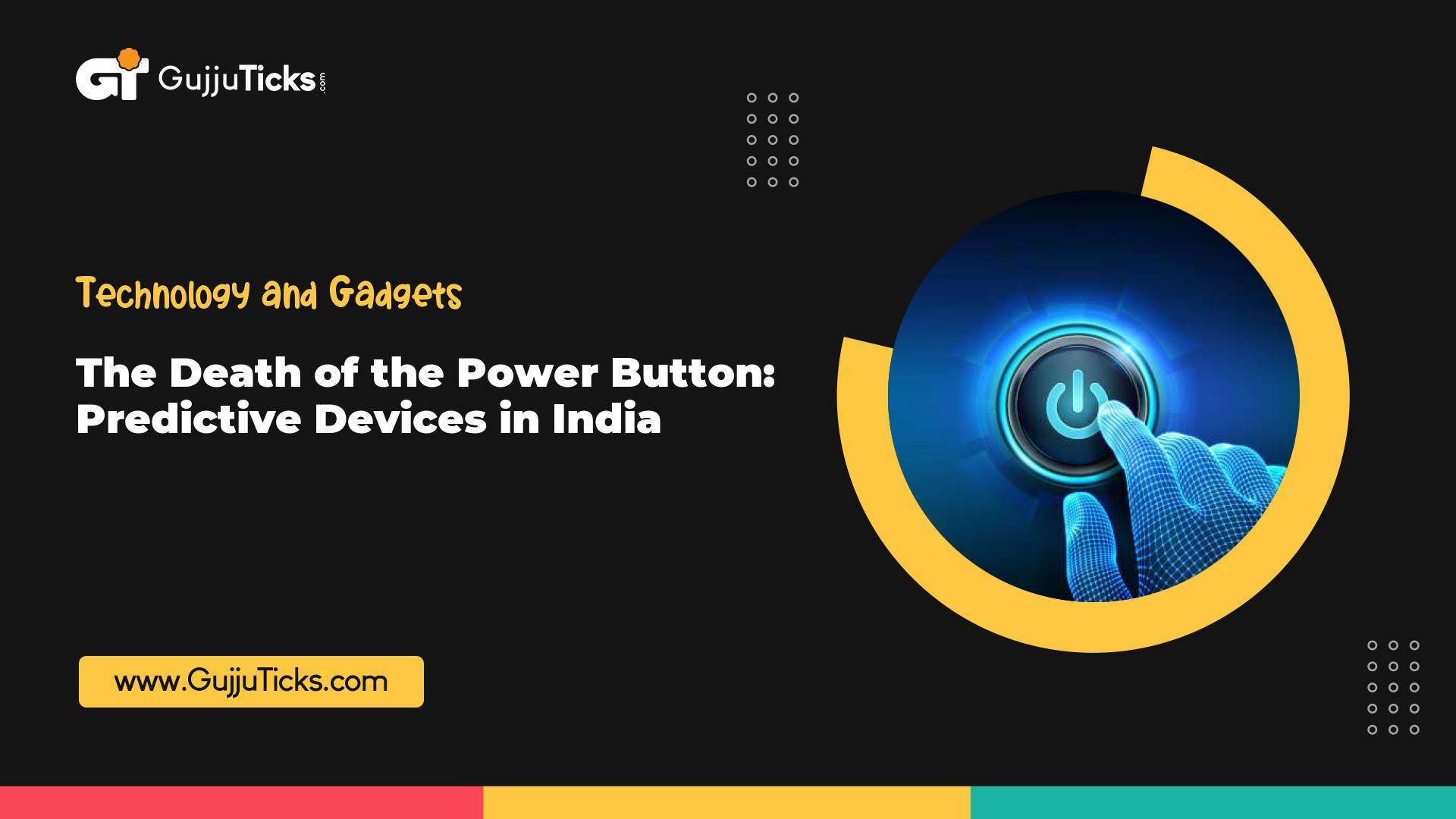
The Death of the Power Button: Predictive Devices in India
Power buttons are disappearing as predictive devices take over. Discover how AI, sensors, and automation are changing technology for Indian users.
Introduction
For many years, every electronic device had one simple thing in common — a power button. Whether it was a TV, computer, fan, or mobile phone, you had to press the button to start.
But today, things are changing fast. Modern gadgets are becoming smart enough to know what we want, even before we press anything. Slowly, the power button is disappearing.
New technology like Artificial Intelligence (AI), machine learning, motion sensors, and biometrics allows devices to turn on automatically. They don’t wait for you to press a button. They sense your presence, learn your habits, and switch on by themselves.
For people in India and Gujarat, this is not just a future dream. It is already happening in our smartphones, smart homes, and even cars.
This blog explains why the power button is dying, how predictive devices work, what benefits and problems they bring, and how they will change daily life in India.
Why the Power Button is Disappearing
1. Always-On Devices
Smart speakers like Amazon Alexa, Google Home, and Apple Home Pod are already designed to be “always listening.” They don’t need a power button. Just say “Hey Alexa” and they wake up.
2. Biometric Unlock
Smartphones no longer need the power button. As soon as you look at your phone, face unlock turns it on. Some devices even use iris scans or fingerprints to wake instantly.
3. Predictive Artificial Intelligence
AI studies your habits.
For example:
- Your fitness band knows when you wake up and shows your sleep report.
- Your AC can turn on just before you reach home.
- Your car adjusts seats as soon as it detects you.
4. Gesture & Voice Control
Today you don’t always need to touch a button. A hand wave, a smile, or a voice command is enough to wake a device.
Predictive Devices Already in Use in India
- Smartphones: Companies like Apple, Samsung, Xiaomi, and OnePlus are making devices that wake with gestures and AI prediction.
- Smart Homes: Indian homes are using Google Nest, Amazon Alexa, Tata smart home systems to control lights, fans, and AC automatically.
- Wearables: Smartwatches from Noise, Boat, and Fire-Boltt monitor your sleep, stress, and steps without pressing a button.
- Cars: Modern cars like Tata Nexon EV, Mahindra XUV400, and Tesla (soon in India) are removing buttons and using AI for seat adjustment, climate control, and even automatic unlocking.
How Do Predictive Devices Work?
1. Sensors
Motion, proximity, and light sensors can feel your presence. For example, your phone lights up when you lift it.
2. Machine Learning
Devices track your daily habits. If you always check news at 8 AM, your phone will show news automatically at that time.
3. Biometrics
Devices identify your face, fingerprint, or voice and switch on instantly.
4. Edge AI + Cloud AI
Some actions are predicted instantly inside the device (Edge AI), while others use internet-based cloud servers for smarter suggestions.
Benefits of Devices Without Power Buttons
- Convenience: No need to search for the button—gadgets are ready instantly.
- Speed: No delay, everything works the moment you need it.
- Personal Experience: Devices know your habits and adjust to your lifestyle.
- Energy Saving: Smart devices use power only when required.
Problems and Challenges
- Privacy Concerns
Always-on devices may listen or track users. Indians are worried about personal data being stored by companies. - Battery Life
Smartphones and wearables that are always active may consume more battery. - Dependence on AI
If devices make all choices, people may feel they are losing control. - Cost in India
Advanced predictive devices are usually expensive. Middle-class families may find them costly in the beginning.
What It Means for Indian Consumers
India is one of the fastest-growing digital countries. With UPI, 5G, and Digital India initiatives, people are ready for predictive technology.
- Urban Users: Metro cities like Mumbai, Delhi, Bengaluru will adopt predictive devices faster.
- Semi-Urban Users: Affordable devices from Realme, Lava, Xiaomi will bring predictive features to smaller towns.
- Gujarati Users: In Gujarat, where businesses and families value time-saving gadgets, predictive devices can improve productivity, home security, and daily comfort.
Future Without Power Buttons
Imagine this:
- You enter your room and the lights turn on automatically.
- Your laptop starts instantly as you sit in front of it.
- Your car door opens when you approach.
- Your watch warns you about stress before you even feel it.
- Your fridge orders milk before it gets empty.
This is not science fiction. It is the next step in the digital future of India. By 2030, the power button will be history, replaced by devices that think for us.
Conclusion
The end of the power button is not a loss—it is the beginning of a predictive and intelligent future.
For Indian users, these devices will save time, make life easier, and bring technology closer to human needs. Of course, we must be careful about privacy, cost, and control, but just like smartphones became affordable, predictive devices will also reach every home.
Very soon, pressing a power button will feel as old-fashioned as using a landline phone. The future belongs to gadgets that know you, understand you, and switch on before you even ask.