Technology and Gadgets
Bio-Integrated Wearables in India – The Future of Healthcare and Lifestyle
Discover how bio-integrated wearables are changing healthcare in India. From smart patches to implantable chips, learn how gadgets are becoming part of your body.
Introduction
We all use gadgets like smartwatches, fitness bands, and even wireless earphones every day. These gadgets sit outside our body and help us in daily life. But imagine a future where gadgets are not just worn on your wrist or kept in your pocket—they actually become part of your body.
This is the world of bio-integrated wearables. These are devices that connect with your skin, muscles, or even inside your body to track health and improve life. For India, where millions suffer from diabetes, heart disease, and other health issues, such technology can be a game changer.
What Are Bio-Integrated Wearables?
Normal wearables like smartwatches and fitness bands track steps, sleep, or heartbeat. But bio-integrated wearables go much further.
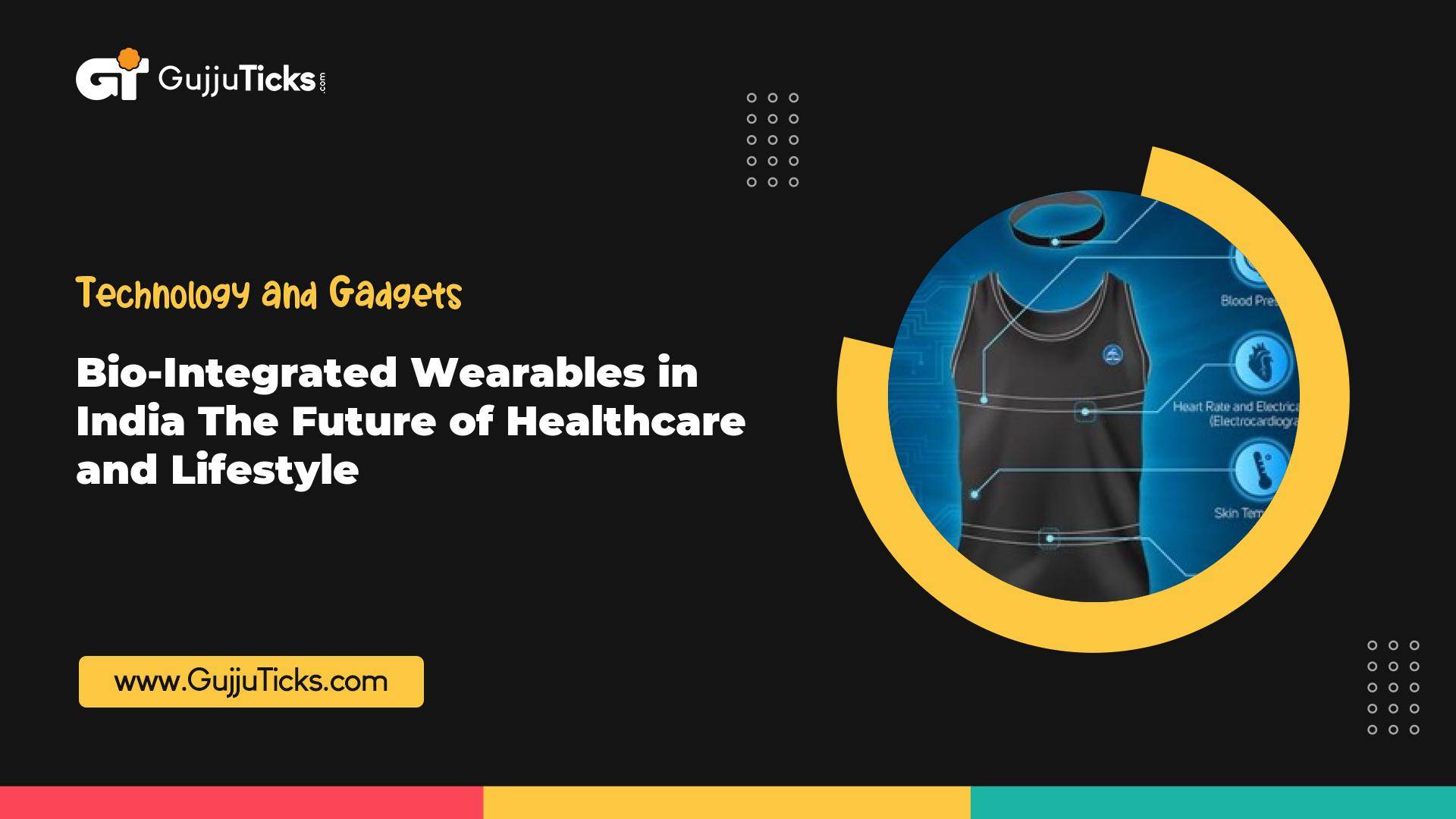
They are made of soft, flexible, and skin-friendly materials that can stick to your skin or be placed inside the body without pain. These devices move naturally with your body and collect real-time data about your health.
Examples include:
- Electronic tattoos that check your hydration and heart rate.
- Smart contact lenses that measure blood sugar levels.
- Implantable chips that warn about heart problems.
- Brain-linked wearables that can help patients with memory or movement issues.
How Do They Work?
These devices have tiny sensors and microchips. They are designed to be safe for the human body.
Here’s how they work:
- Sensors touch the skin or sit inside the body.
- They collect health data like oxygen level, glucose, blood pressure, or stress signals.
- The data is sent wirelessly to a mobile app, doctor, or hospital.
- AI (Artificial Intelligence) studies the data and gives advice.
For example, a diabetic person in Gujarat could wear a small patch that checks sugar levels every few minutes. If sugar is too high or too low, the device sends an alert instantly.
Where Can Bio-Integrated Wearables Be Used?
1. Healthcare
- Diabetes monitoring without painful finger pricks.
- Heart attack prediction using implantable chips.
- Elderly patients in India can be tracked at home, reducing hospital visits.
2. Sports and Fitness
- Athletes can use skin patches that show when the body is dehydrated.
- Players can know exactly when to rest, eat, or rehydrate.
3. Brain and Nerve Health
- Patients with Alzheimer’s or Parkinson’s can benefit from brain-linked wearables.
- Prosthetic limbs can be controlled by brain signals.
4. Workplace Safety
- Factory or mine workers can use sensors to detect stress, oxygen level, or harmful gases.
- This can save lives in dangerous jobs.
5. Daily Life
- Stress monitoring wearables that check hormone levels.
- Sleep monitoring devices that improve rest.
- Gadgets that suggest better diet and lifestyle habits.
Why Bio-Integrated Wearables Matter for India
India is one of the world’s fastest-growing markets for technology and healthcare. Bio-integrated wearables can be very useful here because:
- Healthcare is expensive: Devices can help reduce hospital visits.
- Many live in rural areas: Remote health monitoring can bring doctors closer to villages.
- Start-ups are rising: Indian start-ups are creating affordable healthcare gadgets.
- Government support: Programs like Digital India and Ayushman Bharat are pushing technology in healthcare.
In Gujarat, cities like Ahmedabad and Gandhinagar are already building strong biotech and healthcare hubs. This makes them perfect for testing these new devices.
Benefits of Bio-Integrated Wearables
- Early Detection of Diseases – Continuous monitoring means diseases can be found early.
- Lower Healthcare Costs – Fewer hospital visits, fewer emergencies.
- Personalized Treatment – Doctors can suggest medicines based on real-time data.
- Comfort and Convenience – No more repeated blood tests or hospital queues.
- Better Lifestyle – From sleep tracking to stress management, daily life improves.
Challenges and Risks
Even though the future looks exciting, some problems need attention:
- Privacy Issues – Who controls your health data: you, the doctor, or the company?
- Hacking Risks – Sensitive health data could be stolen by hackers.
- High Cost – Some devices may be too costly for the average Indian.
- Ethical Questions – Should people upgrade their bodies with chips if not required medically?
- Body Safety – Long-term effects of implants are still being studied.
The Future in India
In the next decade, we might see:
- Electronic tattoos replacing smart bands.
- Smart chips releasing medicine inside the body automatically.
- Brain devices helping paralyzed people walk or move artificial limbs.
- Government programs offering free or low-cost wearable devices to rural families.
For Gujarat and other states, private hospitals and health start-ups will play a key role in making these devices affordable and widely available.
Conclusion
The boundary between humans and machines is slowly disappearing. Bio-integrated wearables are not just gadgets, but a new way of living where technology becomes part of our body.
For India, this technology promises cheaper healthcare, healthier lifestyles, and early detection of diseases. While challenges like privacy, cost, and safety must be solved, the benefits are too big to ignore.
Soon, we may not carry gadgets in our pockets. Instead, they will live under our skin, in our eyes, and even in our brains—helping us live longer and healthier lives.