Artificial Intelligence
AI in India: Future Opportunities & Challenges
Discover how Artificial Intelligence is shaping India’s future. Learn about AI opportunities in healthcare, education, startups, and agriculture, along with challenges like privacy, skills gap, and infrastructure.

Introduction
Artificial Intelligence (AI) is changing the way we live, work, and do business. From mobile apps that understand our voices to machines that can analyze medical reports, AI is becoming a part of our daily life.
In India, the use of AI is growing very fast. This is because of the government’s push for Digital India, the rise of startups, and the availability of cheap internet. Reports suggest that the Indian AI market may reach USD 17 billion by 2027.
But, like every new technology, AI also comes with challenges. In this blog, we will look at the opportunities AI creates for India and also the problems we need to solve for its future growth.
Opportunities of AI in India
1. AI in Healthcare
India does not have enough doctors, especially in villages. AI can help by:
- Detecting diseases early through AI-based scans and reports.
- Supporting doctors with AI-powered tools for surgery and treatment.
- Providing telemedicine and chatbots for quick medical advice.
This will make healthcare cheaper and more accessible to millions of Indians.
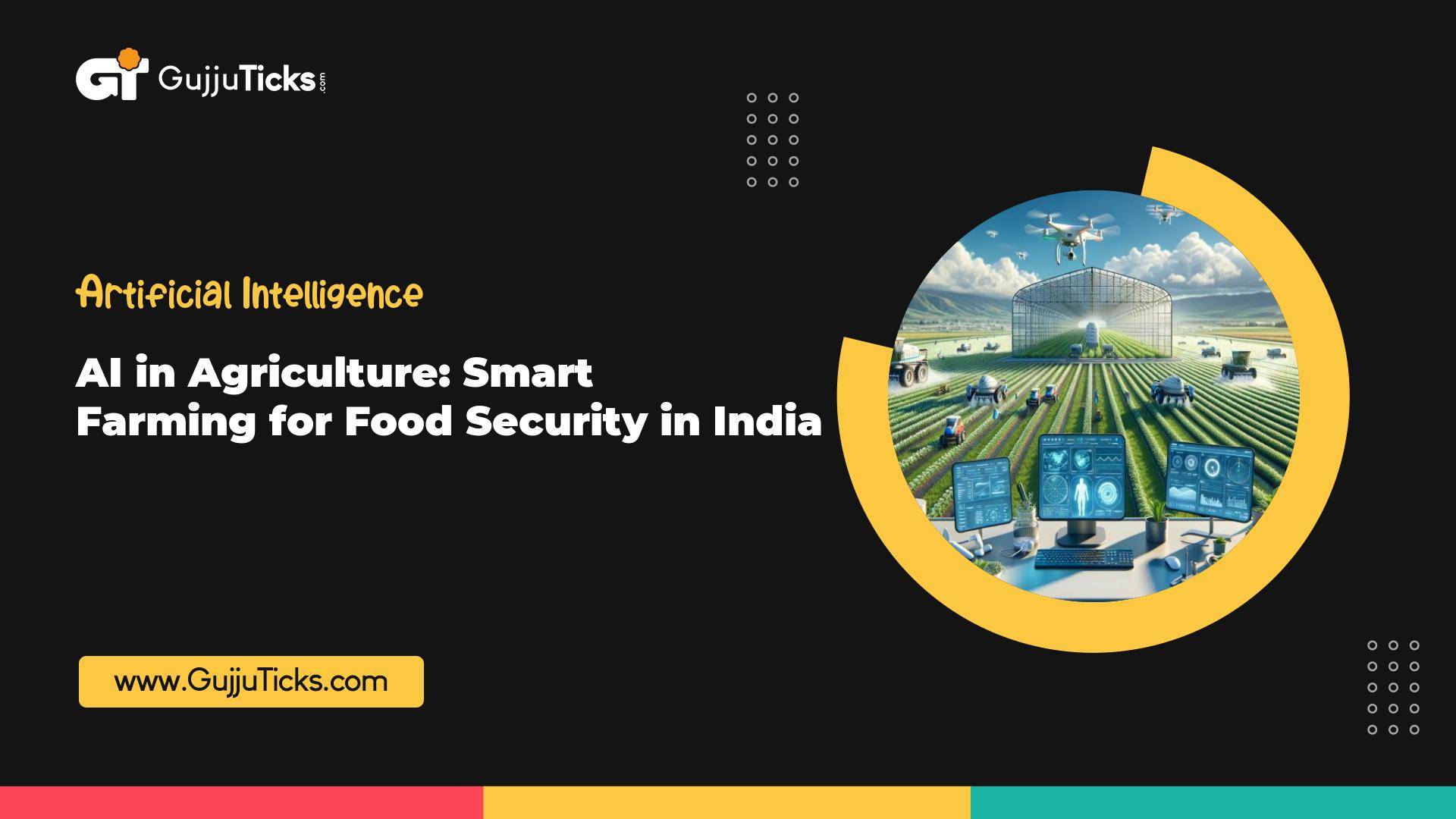
2. AI in Agriculture
Agriculture is still the backbone of India, but farmers face problems like low productivity and climate change. AI can solve these by:
- Giving weather and crop predictions to farmers.
- Using AI drones and sensors to monitor soil and water.
- Helping farmers know market demand and best crop prices.
AI can improve farmer income and make farming more sustainable.
3. AI in Education
India has the largest young population in the world, but the quality of education is uneven. AI can play a big role by:
- Offering personalized lessons for each student.
- Providing AI tutors for doubt solving.
- Making regional language content through natural language processing.
This can reduce the gap between urban and rural education.
4. AI in Banking and Finance
The financial sector in India has already seen digital growth with UPI and online banking. AI can make it even better by:
- Detecting fraud and scams quickly.
- Offering robo-advisors for investments.
- Helping banks give loans using AI-based credit scores.
This will also help bring more people into the formal banking system.
5. AI and Startups
India is the third-largest startup hub in the world. Many new startups are using AI for:
- Online shopping recommendations.
- HR and recruitment tools.
- Customer support chatbots.
Government programs like Startup India and Atmanirbhar Bharat are also pushing AI innovation.
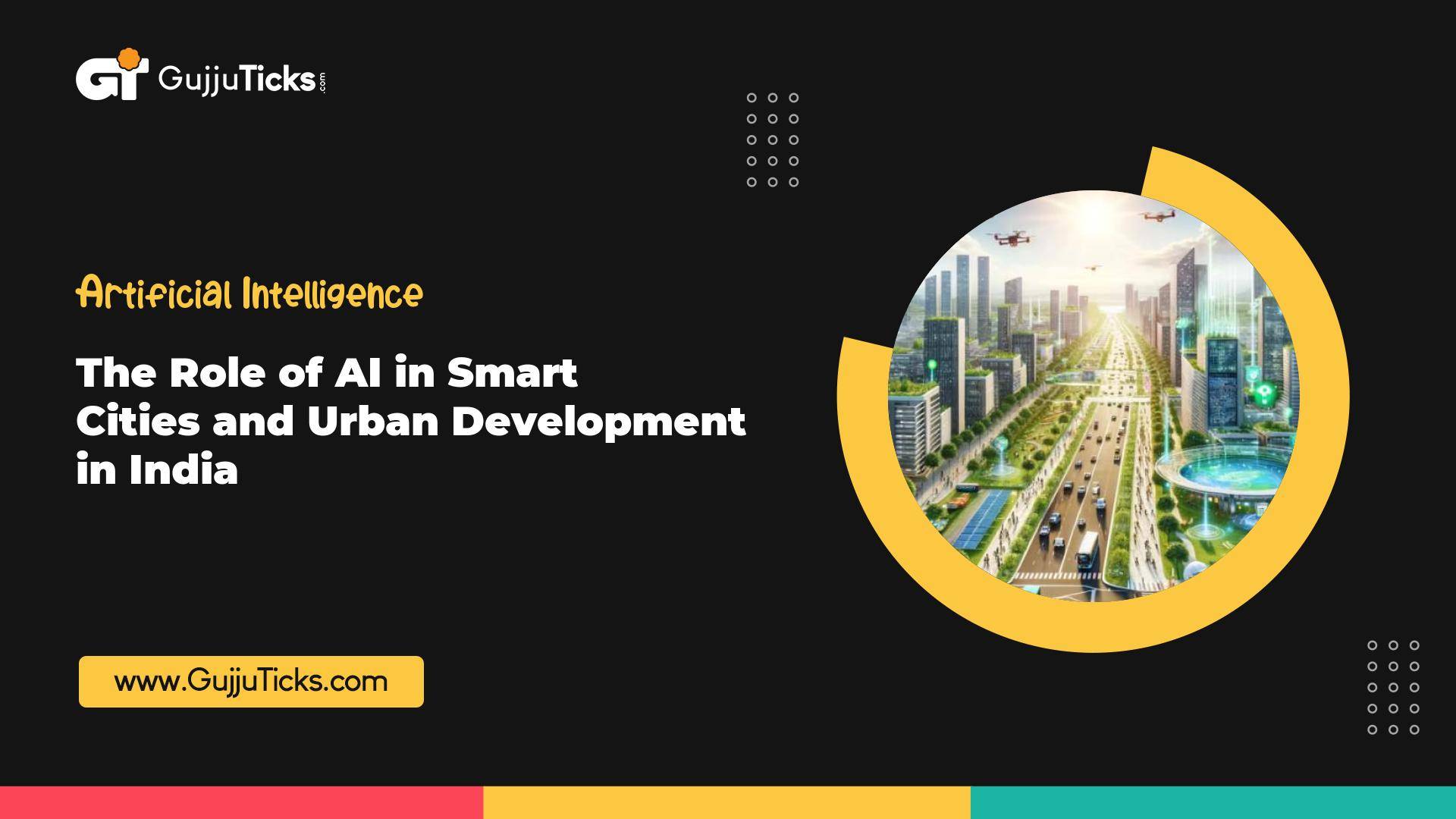
6. AI in Governance
The Indian government is using AI to improve services for citizens. For example:
- Smart traffic systems to reduce jams.
- AI tools for disaster management like floods or earthquakes.
- Fraud detection systems in taxation and welfare schemes.
AI can make governance more transparent and efficient.
Challenges of AI in India
1. Lack of Skilled Talent
AI needs experts in data science, machine learning, and robotics. But India has fewer skilled professionals compared to the demand. Training more people in AI is very important.
2. Data Privacy and Safety
AI depends on huge amounts of data. This creates a risk of data misuse and cyberattacks. With personal details like Aadhaar, banking, and health data at risk, strong laws like the Data Protection Act are needed.
3. Poor Digital Infrastructure
AI requires fast internet and cloud systems. While cities are ready, many villages still lack proper internet. Without solving this, AI will only help urban India.
4. High Costs
Small businesses in India find AI solutions expensive. The cost of software, hardware, and skilled manpower is high. Affordable solutions are needed so that even small companies can use AI.
5. Ethical and Job Concerns
AI can take over routine jobs such as call centers, manufacturing, or delivery services. This may lead to job loss. Also, if AI is not designed carefully, it can show bias in hiring or lending. Ethical rules and policies are necessary.
Government and Industry Efforts
India is taking steps to make AI more useful:
- NITI Aayog’s National AI Strategy – Focus on healthcare, agriculture, education, and smart mobility.
- Digital India Mission – Expanding internet and digital services across villages.
- AI Centers of Excellence – Research hubs to promote innovation.
- Public-Private Partnerships – Tie-ups with companies like Google, Microsoft, and IBM.
These efforts show India’s commitment to becoming a global AI hub.
The Road Ahead
To make the most of AI, India should:
- Train more people in AI skills.
- Create strong data protection laws.
- Invest in AI research and innovation.
- Ensure AI is also used in villages, not just cities.
- Work with global experts to bring best practices to India.
Conclusion
The future of AI in India is full of opportunities. From better healthcare and farming to smart governance and startups, AI can transform the nation. But challenges like lack of skills, privacy issues, and high costs need urgent attention.
If India balances growth with responsibility, it can become not only a leader in AI but also create an economy that is inclusive, secure, and future-ready.