Artificial Intelligence
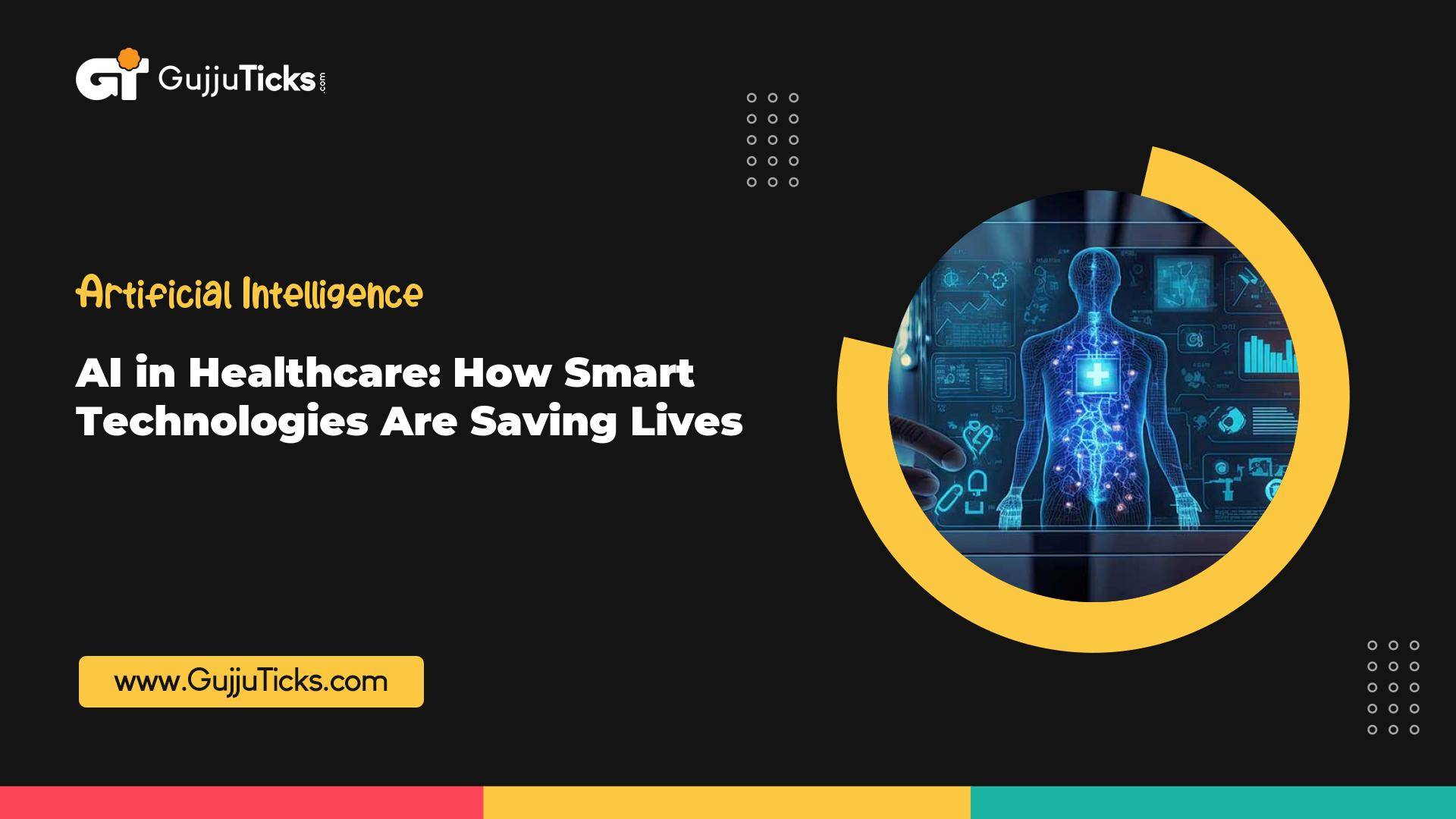
AI in Healthcare: How Smart Technologies Are Saving Lives
Learn how AI in healthcare is improving India’s medical system. Discover how AI helps in diagnosis, surgery, telemedicine, and wearable devices to save lives.
Introduction
Health is the most important part of our life. In India, millions of people need good medical treatment at a low cost. But hospitals are often crowded, doctors are few, and patients sometimes get late treatment.
This is where Artificial Intelligence (AI) is making a big difference. AI is a smart technology that helps doctors, hospitals, and even patients to make better health decisions. From finding diseases early to making surgery safer, AI is saving many lives.
This blog explains how AI in healthcare is working, why it is important for India, and what the future looks like.
What is AI in Healthcare?
Artificial Intelligence (AI) means when computers or machines think and act like humans. In healthcare, AI is used to:
- Study reports like X-rays and blood tests.
- Help doctors find diseases faster.
- Give advice to patients through chatbots.
- Guide robots in surgery.
- Track health using smartwatches and devices.
AI is not here to replace doctors. It works like a helper that gives quick and correct results, so doctors can take better decisions.
Why AI is Important for India’s Healthcare
India has many health challenges:
- Few doctors compared to the large population.
- Expensive treatment in private hospitals.
- Lack of good facilities in villages.
- Late detection of serious diseases.
AI can solve these problems in many ways:
- Early Diagnosis
AI can catch diseases like cancer, heart problems, or diabetes in the early stage. Early treatment saves lives. - Lower Cost
AI tools reduce extra medical tests and give fast results. This makes treatment cheaper for patients. - Better Rural Healthcare
With AI-based telemedicine, villagers can talk to doctors in cities using video calls. This saves travel time and money. - Use of Big Data
AI studies health data of thousands of patients quickly. This helps hospitals prepare for emergencies like virus outbreaks.
How AI is Used in Healthcare
1. Detecting Diseases
AI can read X-rays, CT scans, and MRI reports much faster than humans.
For example, it can find lung infection or brain tumor signs in just seconds. This gives doctors more time to treat patients.
2. Personal Treatment
Every patient is different. AI studies the person’s medical history, family history, and lifestyle. Then it suggests treatment that is best for that patient.
3. New Medicines
Normally, making a new medicine takes many years and a lot of money. AI can predict which drug formula may work, so companies make medicines faster. During COVID-19, AI helped scientists in vaccine research.
4. Smart Devices
Smartwatches and fitness bands use AI to check heartbeat, oxygen, and even sleep. These are now common in India. They help people monitor their health daily.
5. AI in Surgery
Robots with AI help doctors in surgery. They make very small and accurate cuts. This reduces pain and helps patients recover faster.
6. Virtual Assistants
AI chatbots and apps guide patients, give medicine reminders, and book appointments. This saves doctors’ time and helps patients manage their health.
Benefits of AI in Healthcare
- Fast and Accurate – AI gives correct reports quickly, reducing human mistakes.
- Low Cost – Early detection and less testing reduce medical bills.
- Better Rural Support – AI helps connect villagers with expert doctors online.
- Predict Future Health Problems – AI can warn if a person may face heart attack or stroke risk.
- Hospital Management – AI helps hospitals manage beds, staff, and medicines properly.
Challenges of AI in India
- Data Privacy – Patient data is sensitive. Strong laws are needed to keep it safe.
- High Cost of Setup – Buying AI systems and robots is expensive for small hospitals.
- Lack of Training – Doctors and staff must learn how to use AI tools.
- Internet Problems – Many rural areas don’t have fast internet, making AI services difficult.
Future of AI in Indian Healthcare
India is moving towards digital health records under the Ayushman Bharat Digital Mission. This will help AI work better in future.
In coming years, we will see:
- More robotic surgeries in government hospitals.
- Telemedicine growth in villages.
- AI predicting diseases like dengue or malaria before they spread.
- Small clinics using AI diagnostic tools at low cost.
AI will not replace doctors but will work as their strong partner, saving lives and reducing costs.
Conclusion
AI is slowly changing the face of Indian healthcare. From disease detection to surgery, from rural telemedicine to wearable devices, AI is everywhere.
For a country like India, where millions of people need affordable treatment, AI can bring a big healthcare revolution. The only challenge is proper training, data safety, and making it available in villages.
With the right policies and use, AI in healthcare will save countless lives and give every Indian better access to treatment.