
Health and Wellness
The Timeless Wisdom of Ayurvedic Medicine in India: Unlocking its Benefits and Uses
India, the land of ancient wisdom, has been home to Ayurveda, the traditional system of medicine, for over 5,000 years.
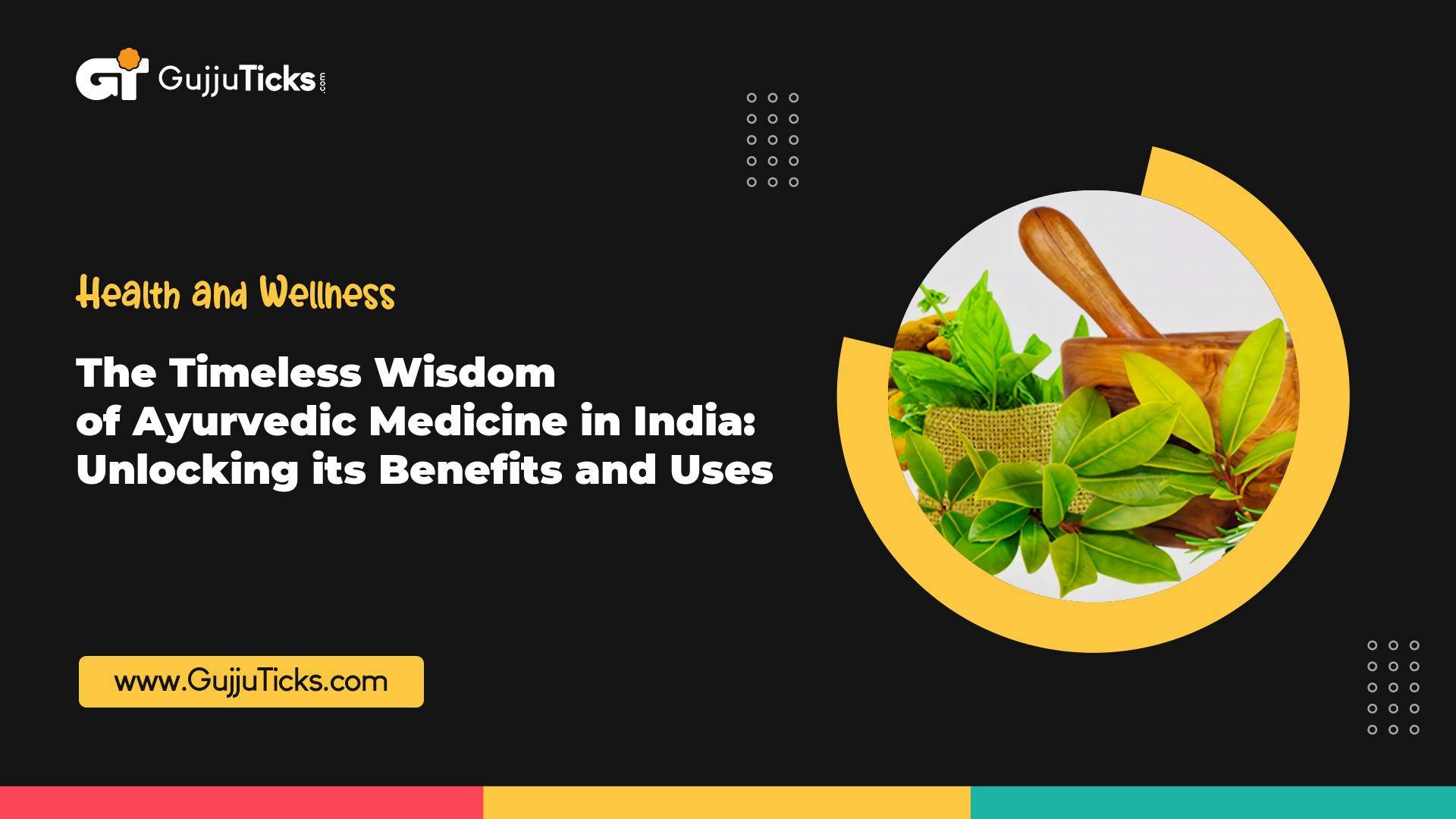
India, the land of ancient wisdom, has been home to Ayurveda, the traditional system of medicine, for over 5,000 years. This holistic approach to health and wellness has been a cornerstone of Indian culture, offering a unique perspective on the interconnectedness of body, mind, and spirit. In this blog, we'll delve into the benefits and uses of Ayurvedic medicine in India, exploring its principles, applications, and relevance in modern times.
What is Ayurveda?
Ayurveda, derived from the Sanskrit words "Ayur" (life) and "Veda" (science), is an ancient Indian system of medicine that emphasizes living in harmony with nature. This philosophy recognizes that each individual is unique, with their own constitution, or "prakriti," comprising three fundamental energies: Vata, Pitta, and Kapha. Ayurveda seeks to balance these energies through diet, lifestyle, and herbal remedies, promoting overall well-being.
Benefits of Ayurvedic Medicine
Ayurvedic medicine offers numerous benefits, making it an attractive alternative to conventional Western medicine:
1. Holistic Approach: Ayurveda treats the individual, not just the disease, addressing physical, mental, and emotional imbalances.
2. Natural and Safe: Ayurvedic remedies are largely natural, minimizing side effects and promoting gentle healing.
3. Preventive Care: Ayurveda emphasizes prevention through lifestyle modifications and seasonal routines.
4. Personalized Treatment: Ayurvedic practitioners tailor treatments to each individual's unique constitution.
5. Cost-Effective: Ayurvedic remedies are often more affordable than conventional treatments.
Common Uses of Ayurvedic Medicine
Ayurvedic medicine has a wide range of applications:
1. Digestive Health: Ayurveda offers effective remedies for digestive issues, such as constipation, diarrhea, and bloating.
2. Skin and Hair Care: Ayurvedic herbs like neem, turmeric, and amla promote healthy skin and hair.
3. Stress and Anxiety: Ayurvedic practices like yoga, meditation, and herbal remedies help manage stress.
4. Respiratory Issues: Ayurveda provides relief for conditions like asthma, bronchitis, and allergies.
5. Women's Health: Ayurvedic medicine addresses menstrual disorders, fertility issues, and menopause symptoms.
Popular Ayurvedic Herbs and Remedies
Some of the most commonly used Ayurvedic herbs and remedies include:
1. Turmeric: Anti-inflammatory and antioxidant properties.
2. Ginger: Digestive aid and anti-inflammatory.
3. Neem: Antimicrobial and antifungal properties.
4. Ashwagandha: Stress relief and adaptogenic.
5. Triphala: Digestive tonic and detoxifier.
Ayurvedic Treatment Methods
Ayurvedic practitioners employ various treatment methods:
1. Panchakarma: Detoxification and rejuvenation through massage, herbal baths, and nasal cleansing.
2. Shirodhara: Oil treatment for stress relief and mental clarity.
3. Abhyanga: Massage therapy for relaxation and muscle tone.
4. Rasayana: Rejuvenation through herbal remedies and diet.
5. Yoga and Meditation: Mind-body practices for balance and well-being.
Challenges and Future Directions
While Ayurvedic medicine has much to offer, it faces challenges:
1. Standardization: Ensuring quality control and regulation.
2. Integration: Collaborating with conventional medicine.
3. Research: Conducting scientific studies to validate Ayurvedic claims.
4. Education: Raising awareness and promoting Ayurvedic literacy.
Conclusion
Ayurvedic medicine in India is a timeless wisdom that offers a unique approach to health and wellness. By embracing its principles and practices, we can cultivate balance, harmony, and resilience in our lives. As we navigate the complexities of modern healthcare, Ayurveda's holistic perspective and natural remedies provide a refreshing alternative. As we look to the future, integrating Ayurveda with conventional medicine and promoting research and education will ensure its continued relevance.