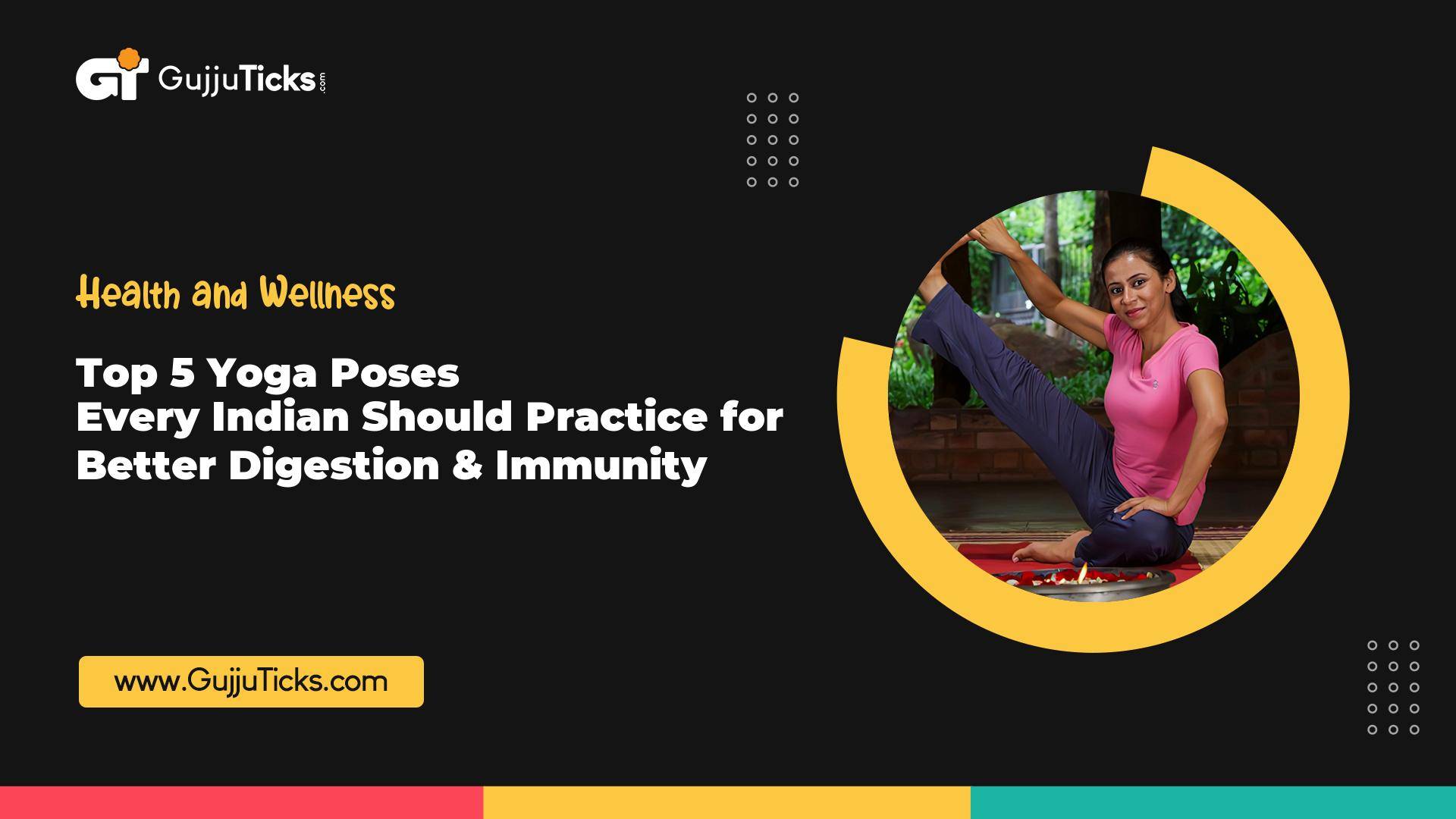
Health and Wellness
How to Reduce Stress Naturally – Indian Herbs and Breathing Techniques That Work
Discover effective Indian herbs and breathing techniques to reduce stress naturally. Learn how Ayurveda and Pranayama can bring balance to your life.

Stress has quietly crept into our daily lives in the fast-paced world of today. Our minds are constantly strained by everything from financial worries and digital overload to traffic bottlenecks and work-related stress. Many Indians, especially in states with strong cultural ties like Gujarat, are looking within themselves for peace, turning to traditional knowledge and age-old cures.
Many Indians are rediscovering the power of natural healing instead of depending on potentially harmful pharmaceutical drugs. This blog examines potent Indian herbs and straightforward but incredibly powerful breathing exercises that can help you regain your equilibrium and lessen stress.
Why Go Natural for Stress Relief?
Natural stress relief is a tried-and-true method that harmonises with the body, not just a wellness fad. Natural solutions like Ayurvedic herbs and breathing exercises work holistically to address the underlying cause of stress, in contrast to synthetic medications that frequently treat its symptoms.
The benefits of natural stress relief include:
• No dependency or side effects
• Long-lasting mental and physical balance
• Improved sleep and mood
• Boosted immunity and digestion
• Better control over emotional triggers
Now let's explore how Indian herbs and traditional breathing methods can be effective allies on your path to a stress-free existence.
Powerful Indian Herbs That Calm the Mind
Many of the herbs used in Ayurveda, which are abundant in India, have natural calming properties without making people sleepy or forming bad habits. Gujarat and other parts of India are home to these five potent herbs.
1. Ashwagandha (Withania somnifera)
Known as "Indian Ginseng," ashwagandha is a potent adaptogen. It lowers cortisol levels, increases general energy, and aids the body in adjusting to emotional and physical stress.
How to use: Before going to bed, mix ashwagandha powder with warm milk or take 500 mg capsules twice daily.
Benefits:
• Reduces anxiety and stress
• Improves sleep quality
• Boosts mental clarity
2. Brahmi (Bacopa monnieri)
For centuries, Ayurvedic medicine has utilised Brahmi to improve mental clarity and lower anxiety. It calms the nervous system, enhances memory, and supports brain function.
How to use: It comes in powder or capsule form and can be taken with honey or ghee.
Benefits:
• Promotes relaxation
• Enhances mental focus
• Helps balance mood swings
3. Tulsi (Holy Basil)
Tulsi is a common herb in Indian homes and is referred to as the "Queen of Herbs." In addition to its spiritual meaning, it is a potent adaptogen that guards against the negative consequences of stress.
How to use: Chew four to five fresh leaves in the morning or drink Tulsi tea every day.
Benefits:
• Reduces inflammation
• Lowers blood pressure
• Calms the nervous system
4. Jatamansi (Nardostachys jatamansi)
Though less well-known, jatamansi is incredibly powerful. It functions as a natural tranquillizer and is particularly helpful for those who are struggling with emotional stress, insomnia, and chronic anxiety.
How to use: Available as a powder or oil, it can be taken as a supplement or used in aromatherapy.
Benefits:
• Induces deep relaxation
• Enhances quality of sleep
• Supports emotional stability
5. Shankhpushpi (Convolvulus pluricaulis)
Shankhpushpi is frequently used in Ayurvedic formulations for brain health because it promotes cognitive function and eases nervous exhaustion.
How to use: Typically, it comes in the form of syrup or capsules.
Benefits:
• Reduces mental fatigue
• Improves memory and concentration
• Soothes the mind
Breathing Techniques That Instantly Reduce Stress
Breathing serves as a tool for inner peace in addition to its biological purpose. Conscious breathing was found by ancient yogis to regulate mental states and alleviate emotional stress. Here are three simple pranayama methods that you can use at any time or place.
1. Anulom Vilom (Alternate Nostril Breathing)
This technique balances the brain's left and right hemispheres, calming the mind and stabilizing emotions.
How to practice:
• Sit comfortably with a straight spine.
• Close the right nostril with your thumb, inhale through the left.
• Close the left nostril with your ring finger, exhale through the right.
• Inhale from the right, then exhale from the left.
• Repeat for 5–10 minutes.
Benefits:
• Reduces anxiety
• Balances energy
• Clears the mind
2. Bhramari (Bee Breathing)
By humming as you exhale, you can induce brain vibrations that promote calm.
How to practice:
• Sit in a quiet place.
• Close your eyes, press your index fingers on the ear cartilage.
• Inhale deeply and exhale while making a humming sound.
Benefits:
• Relieves tension and anger
• Promotes better sleep
• Lowers blood pressure
3. Deep Belly Breathing (Diaphragmatic Breathing)
This method, which is excellent for novices, involves deep, slow breathing to relax the nervous system.
How to practice:
• Sit or lie down comfortably.
• Place one hand on your chest and one on your belly.
• Inhale slowly through the nose so your belly rises.
• Exhale slowly through the mouth.
Benefits:
• Reduces cortisol (stress hormone)
• Improves oxygen flow
• Enhances focus and presence
How to Combine Herbs and Breathing for Best Results
The benefits of using herbs and breathing techniques are increased when combined. This is a recommended daily schedule:
• Morning: Tulsi tea and five minutes of Anulom Vilom are a great way to start the day.
• Afternoon: With lunch, take supplements of ashwagandha or brahmi.
• Evening: Before supper, engage in Bhramari, or deep breathing.
• Night: For a good night's sleep, rub Jatamansi oil on your temples and drink warm milk infused with ashwagandha.
Final Thoughts
Although stress is an unavoidable aspect of contemporary life, controlling it doesn't have to mean sacrificing your health. A tried-and-true route to peace that complements our innate rhythms, cultural heritage, and overall wellbeing is provided by Indian herbs and yogic breathing exercises.
You're fostering a closer bond with your body, mind, and spirit by using nature and breathing techniques in addition to stress management. These age-old cures are accessible whether you're in the peaceful villages of Saurashtra or the busy streets of Ahmedabad.
Begin modestly, maintain consistency, and observe the change.