Health and Wellness
Is Your Water Safe? Health Risks from Contaminated Water in Gujarat
Discover the hidden dangers of contaminated water in Gujarat. Learn about common waterborne diseases, causes of water pollution, and how to ensure safe drinking water for your family.
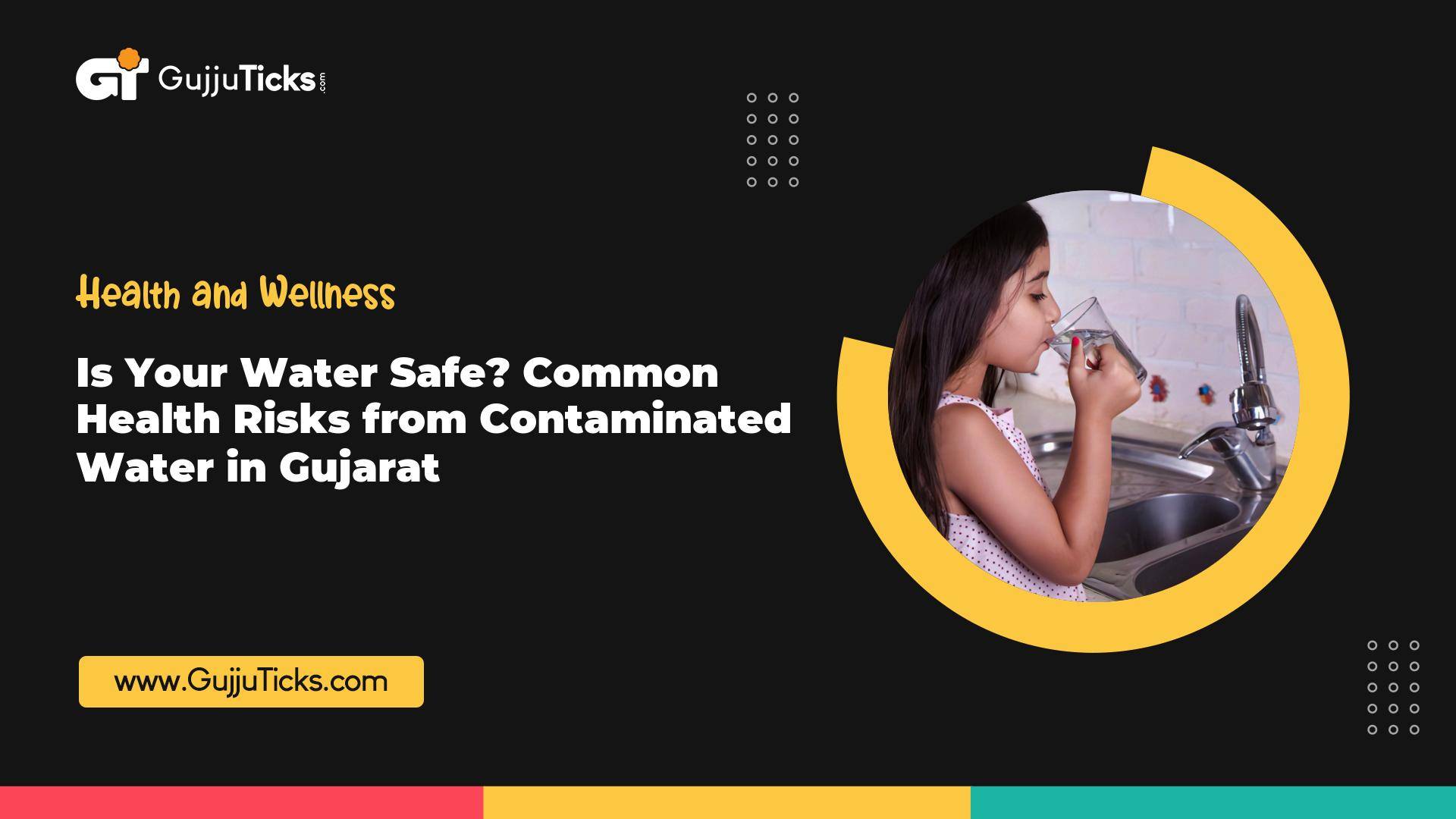
A basic need is having access to safe and clean drinking water, but for many Gujarati and Indian households, this vital resource is constantly in danger. Even though the tap may run freely, the water it produces may contain hidden risks that could harm your health and wellbeing.
A silent danger, contaminated water has been connected to a wide range of illnesses, from minor stomachaches to serious illnesses. Gujarat faces particular difficulties in guaranteeing water safety for all of its citizens because of its mix of rural villages and urban areas.
We'll go into great detail in this blog about the dangers of drinking contaminated water, the typical reasons for water contamination in Gujarat, and what you can do to keep your family safe.
The Water Problem in Gujarat
Gujarat is a state renowned for its rapid development and spirit of entrepreneurship. However, there are drawbacks to urbanisation, industrialisation, and erratic monsoons, especially with regard to water quality.
Major issues include:
• Groundwater contamination due to overuse and pollution
• Industrial discharge into rivers and lakes
• Inadequate sewage treatment infrastructure
• Fluoride and nitrate contamination in rural areas
• Seasonal water scarcity leading to use of unsafe sources
Due to these problems, a large number of homes—particularly in smaller towns and villages—rely on water that might not be safe.
Common Health Risks Linked to Contaminated Water
Toxins, chemicals, and other pathogens can thrive in unsafe drinking water. The following are some of the main health dangers Gujarat's tainted water poses:
1. Diarrhea and Gastroenteritis
• Cause: parasites, viruses, and bacteria such as E. coli.
• Effect: vomiting, cramping in the stomach, and dehydration.
• Note: In India, it is among the main reasons why children die.
2. Typhoid Fever
• Cause: Contaminated food or water can spread the Salmonella typhi bacteria.
• Effect: weakness, a high fever, and stomach pain.
• Prevention: Clean water is essential, but vaccinations also help.
3. Hepatitis A and E
• Cause: Viruses are spread by faecal matter-contaminated water.
• Effect: fatigue, jaundice, and liver inflammation.
• Worry: In places with inadequate sanitation, it spreads swiftly.
4. Cholera
• Cause: the bacterium Vibrio cholerae.
• Effect: Dehydration and severe diarrhoea can be lethal if left untreated.
• Outbreaks: frequently observed during floods and monsoons.
5. Fluorosis
• Cause: In north Gujarat, excessive fluoride in groundwater is common.
• Effect: joint discomfort, discoloured teeth, and in extreme situations, bone abnormalities.
6. Nitrate Poisoning (Blue Baby Syndrome)
• Cause: high water nitrate levels, particularly in agricultural areas.
• Effect: lowers an infant's blood oxygen levels, which can be lethal.
• Affected Areas: prevalent in Gujarat's north and centre.
7. Heavy Metal Toxicity (Arsenic, Lead)
• Cause: contaminated pipes and industrial waste.
• Effect: developmental delays in children, kidney damage, and nervous system damage.
Why Is the Problem Worse in Gujarat?
Gujarat has unique industrial and geographic problems that raise the possibility of contaminated water:
• Industrial Pollution: Industrial centres like Ahmedabad, Vapi, and Ankleshwar frequently release raw waste into waterways.
• Groundwater Dependency: Groundwater, which is vulnerable to nitrate and fluoride contamination, is a major resource in rural areas.
• Lack of Awareness: The significance of water testing and purification is not widely known.
• Monsoon Dependency: Some years have insufficient rainfall, which causes scarcity and forces people to rely on whatever supply is available.
How to Know If Your Water Is Unsafe
Contaminated water doesn’t always look or smell bad. But some signs to look for include:
• Strange taste or odor
• Cloudiness or particles in water
• Recurring stomach issues in the family
• Discoloration of teeth in children (a sign of fluorosis)
• Rust or residue around taps and pipes
For accurate results, it's best to get your water tested periodically by a certified lab.
Solutions to Protect Your Family
1. Install a Water Purifier
One of the best ways to prevent water contamination is to use a RO (Reverse Osmosis) water purifier with UV or UF technology. Based on your water source's TDS (Total Dissolved Solids) level, select a purifier.
2. Boil Water When in Doubt
Most bacteria and viruses can be killed by boiling water for five to ten minutes, which makes it safe to drink.
3. Use Government Facilities
The government is attempting to supply clean water under the Jal Jeevan Mission. Verify whether your region is covered and how you stand to gain.
4. Regular Water Testing
Every six to twelve months, test your water for TDS, bacteria, and chemicals like nitrates and fluoride.
5. Avoid Open Water Sources
Unless you are certain that the water is filtered or treated, do not drink from handpumps, lakes, or ponds.
High CPC Tip: Investing in Water Safety is Cheaper than Medical Bills
One of the most important things to realise is that avoiding waterborne illnesses is not only better for your health but also more cost-effective in the long run. Although a high-quality water purifier can cost between Rs. 10,000 and Rs. 15,000, it can save thousands of rupees on medical bills, particularly for elderly and paediatric patients.
To guarantee total protection, use expensive water purifiers with TDS meters, UV filtration, and mineral boosters.
Government Initiatives & NGO Support
• Jal Shakti Abhiyan: encourages rural communities to conserve water and have access to clean drinking water.
• Swachh Bharat Mission: lowers the possibility of water contamination by improving sanitation.
• WaterAid India: An NGO is trying to increase access to clean water in Gujarat.
Look into subsidies for water filters and sanitary facilities if you come from a low-income family or live in a rural area.
Conclusion: Don’t Take Clean Water for Granted
Life depends on safe water. In Gujarat, contaminated water continues to be one of the largest but most avoidable health risks. Whether you reside in a village in Kutch or a city like Surat, you can safeguard your family's health by being aware of the risks and taking preventative measures.
Develop the practice of regularly checking the quality of your water, purchasing appropriate filtration, and raising awareness in your neighbourhood. Ask yourself again: Is your water truly safe?