Digital Marketing
The Demise of the Third-Party Cookie: Advanced Digital Marketing Strategies for India
Learn simple and effective strategies to survive in a cookieless future. Discover how first-party data, AI, CDPs, and contextual ads can help Indian businesses after third-party cookies end.
Introduction
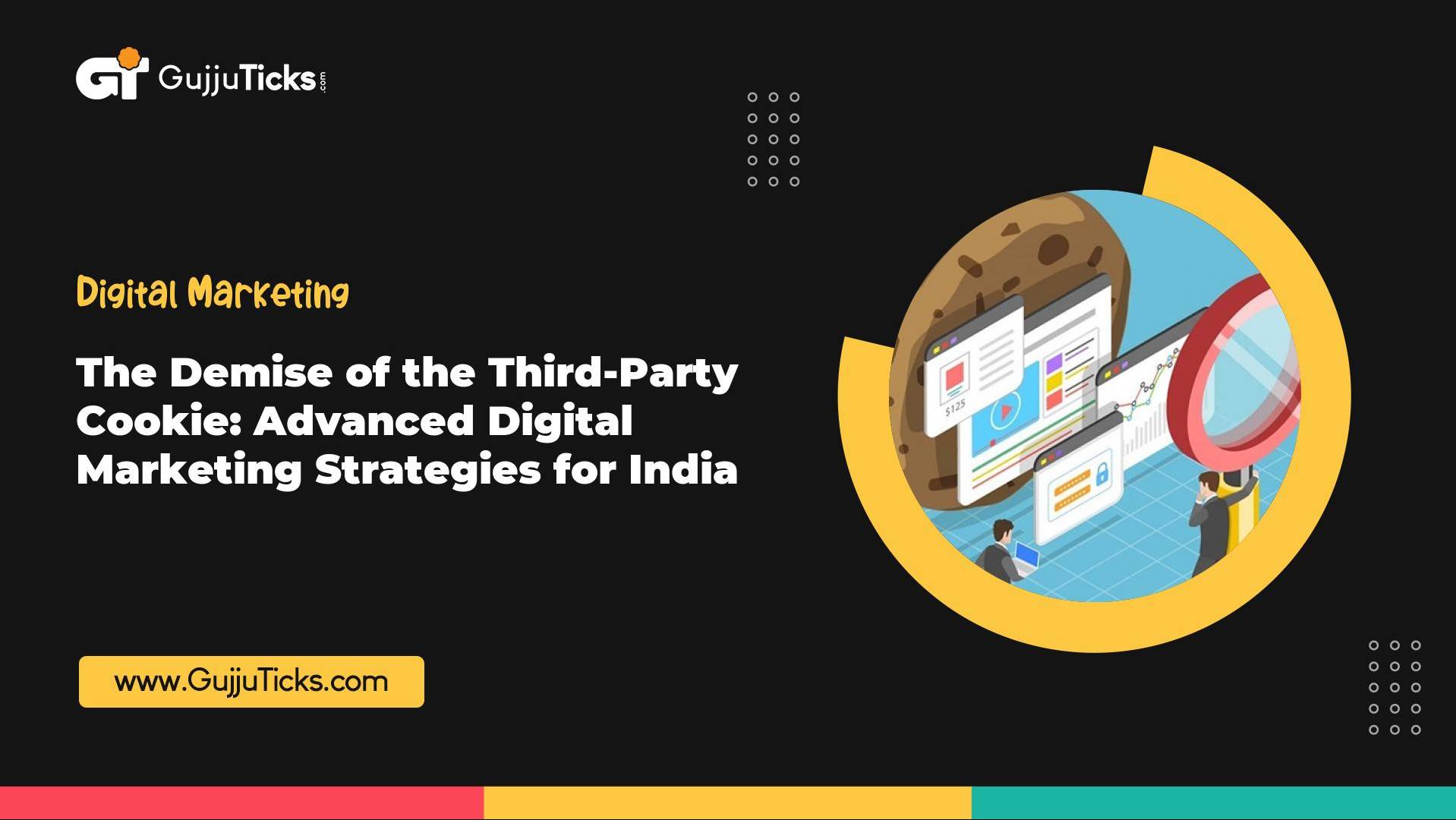
For many years, digital marketing has depended on third-party cookies. These cookies allowed businesses to track users across websites, run retargeting ads, and measure success. But now, the digital world is changing. Google Chrome (used by most people in India) has announced that it will stop supporting third-party cookies. Other browsers like Safari and Firefox have already done this.
This change is big for businesses, advertisers, and marketers in India. From small Gujarati startups to big Indian e-commerce companies, everyone will need to find new ways to reach customers.
In this blog, we will explain in simple English what this change means, why cookies are going away, and what advanced strategies you can use to continue successful digital marketing in a privacy-first world.
Why Are Third-Party Cookies Going Away?
Cookies are small files that websites store on your device. First-party cookies help websites remember your login, language, or shopping cart. But third-party cookies are different. They track users across many websites. For example, if you search for “sports shoes” on Amazon, you may later see shoe ads on YouTube or Instagram.
The problem is privacy. People don’t like being tracked everywhere. Governments and tech companies are making new rules to protect users. Europe introduced GDPR, California has CCPA, and India is also working on stronger data protection laws.
To build trust, big companies like Google are removing third-party cookies. This means marketers cannot track people the same way anymore.
How Will This Impact Digital Marketing in India?
This change is huge, but it does not mean digital ads are finished. It only means businesses must change the way they work.
Here are some effects for Indian marketers:
- Retargeting gets harder – Showing ads to people who already visited your site will be more difficult.
- Less accuracy in ads – Without cookies, ads may reach the wrong people, which can waste money.
- More focus on first-party data – Businesses must collect their own customer data directly.
- New tools needed – Marketers will use privacy-friendly solutions like Google Privacy Sandbox or AI-based contextual targeting.
Advanced Strategies for a Cookieless Future
1. Collect and Use First-Party Data
The best solution is to focus on first-party data. This is data you collect directly from your customers, like email IDs, phone numbers, purchase history, or app usage.
- Offer discounts when people sign up with their email.
- Use loyalty programs to collect phone numbers and birthdays.
- Add quizzes, feedback forms, or referral programs to get data.
Example: E-commerce companies like Flipkart, Reliance Digital, and Myntra use their apps to collect customer data and keep them engaged.
2. Use Customer Data Platforms (CDPs)
A Customer Data Platform (CDP) is software that brings all your customer information into one place.
- It combines data from your website, app, store, and call center.
- It gives a complete picture of each customer.
- With CDPs, you can run personalized ads and campaigns without third-party cookies.
Popular CDPs: Salesforce CDP, Adobe Experience Platform, Segment. Many Indian companies are adopting them for better customer targeting.
3. Focus on Contextual Advertising
Before cookies, ads were placed based on the content of a page. This is called contextual advertising. And it is making a comeback.
- If someone is reading an article about “Best Bikes in India 2025,” you can show them ads for helmets, bike loans, or fuel offers.
- Contextual ads don’t track people, but they still reach the right audience.
- With AI-powered contextual ads, targeting is smarter than ever.
4. Use AI and Machine Learning
Artificial Intelligence (AI) can help predict customer behavior even without cookies.
- AI tools can recommend products based on live data.
- Machine learning can send personalized emails or app notifications.
- Predictive analytics can identify who is most likely to buy.
Example: Indian e-commerce platforms and even fintech apps use AI to give users personalized offers.
5. Grow Email Marketing & Loyalty Programs
Email is still one of the most powerful tools in digital marketing. In fact, it gives some of the highest ROI (Return on Investment).
- Give offers or freebies when people sign up for your newsletter.
- Use CDPs to send personalized email campaigns.
- Add loyalty programs like Paytm First, Tata Neu Pass, or Flipkart Plus to keep customers engaged.
6. Adopt Google Privacy Sandbox
Google is creating new tools to replace cookies. These are part of the Privacy Sandbox project.
- Topics API: Shows ads based on a few broad interests (like fitness, travel, or finance).
- FLEDGE: Helps advertisers show ads to groups of users, not individuals.
- Attribution Reporting: Measures which ads bring conversions, without tracking people.
Indian businesses that learn these tools early will get a big advantage.
7. Use Server-Side Tracking
Instead of tracking users through their browser, you can collect data directly from your website server.
- More accurate than cookies.
- Reduces dependency on browser tracking.
- Platforms like Meta Conversion API and Google Tag Manager (server-side) are useful for this.
8. Be Transparent and Get Consent
Today’s consumers want control over their data. Businesses that respect privacy will earn more trust.
- Use clear opt-in forms to ask for emails or phone numbers.
- Create cookie banners and privacy policies in simple Hindi, Gujarati, or local languages.
- Be honest about what data you collect and how you use it.
Example: When people trust your brand, they are more willing to share data.
Opportunities for Indian Businesses
While many marketers are worried, this change also creates new opportunities:
- Regional focus: Collect data in local languages like Gujarati, Hindi, Tamil, etc.
- MarTech adoption: Use new marketing technology like CDPs, AI automation, and server-side tracking.
- Publisher partnerships: Work directly with Indian news websites, apps, and e-commerce portals for ad placements.
This is a chance for businesses to move beyond quick sales and build long-term relationships.
Conclusion
The end of the third-party cookie is not the end of digital marketing—it is a new beginning. Yes, retargeting will be harder and ads may cost more at first. But businesses that use first-party data, AI, CDPs, contextual ads, and privacy-friendly tools will succeed.
Just like Indian companies adapted to mobile-first marketing, they can also adapt to a privacy-first future. The key is to focus on trust, transparency, and customer relationships.
If you are a business owner in India or Gujarat, now is the time to act. Collect your own data, build loyalty, and explore advanced digital marketing tools. That way, you can stay ahead of the competition—even without cookies.