Digital Marketing
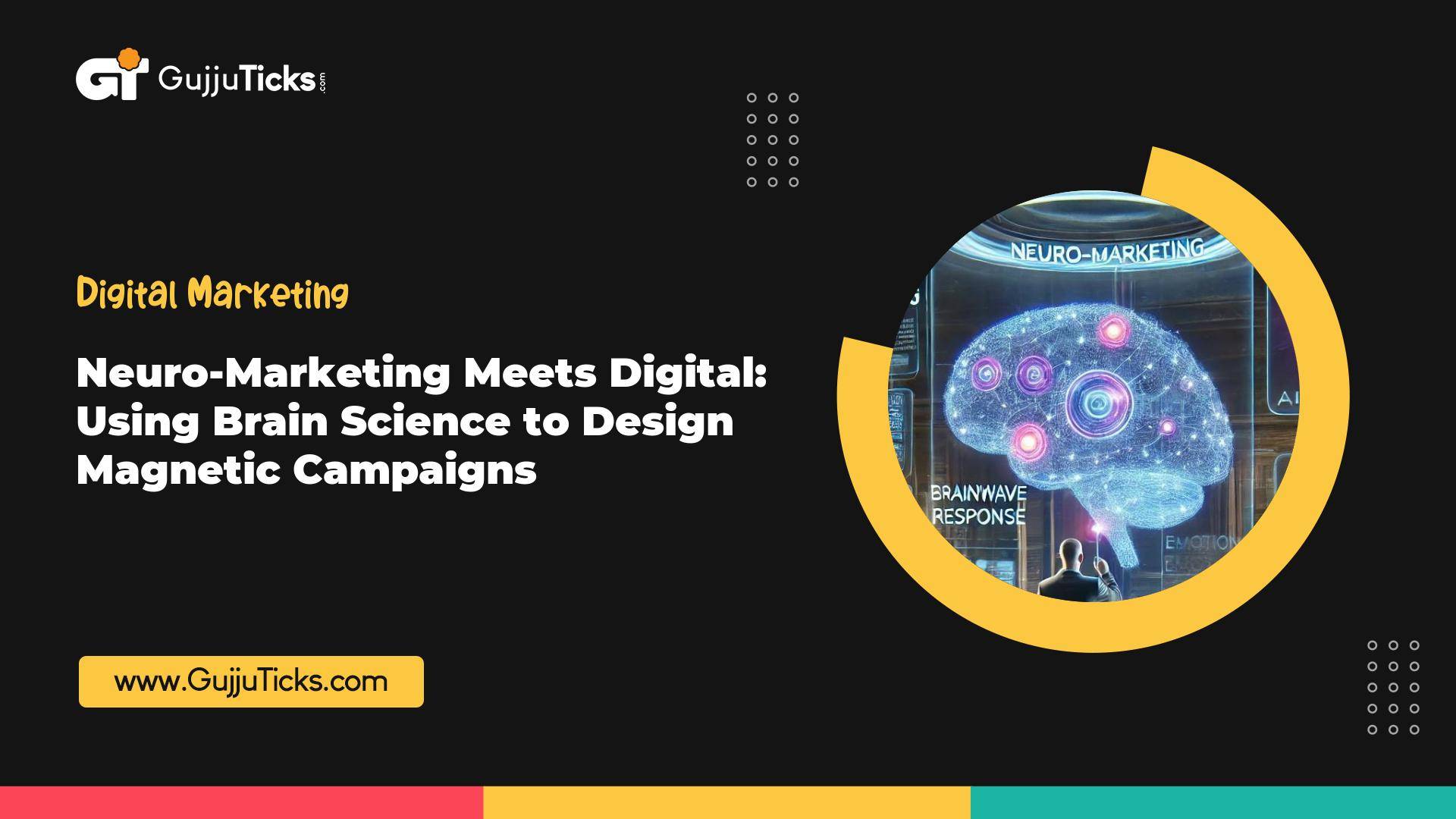
Neuro-Marketing Meets Digital: Using Brain Science to Design Magnetic Campaigns
Learn how neuromarketing and digital marketing work together to design powerful campaigns in India. Discover how brain science, colors, emotions, and psychology increase sales and build trust.
Introduction
In today’s digital world, people see hundreds of ads every single day. But how many of these ads do they really remember? Not many. Customers usually buy products that make them feel good, not just the ones they logically “need.”
This is why neuro-marketing is becoming important. It is the mix of brain science and marketing. Instead of just showing ads, it studies how the human brain reacts to colors, images, words, and emotions. With these insights, companies can create ads that catch attention, connect emotionally, and motivate people to take action.
For Indian brands, including Gujarati businesses, neuromarketing can be a game-changer. Whether it is selling clothes, jewelry, real estate, or education services, brain-based marketing can help in creating magnetic digital campaigns.
What is Neuro-Marketing?
Neuro-marketing means using neuroscience (study of the brain) and psychology to understand how customers think and behave. It helps brands design better ads and websites.
Research shows that most purchase decisions are emotional and happen in the subconscious mind. That means people don’t always buy because of logic; they buy because of feelings.
Some examples:
- A red “Buy Now” button often works better than a blue button, because red creates urgency.
- Ads with smiling faces make people feel trust and positivity.
- A storytelling video makes the brain remember the brand longer than a plain ad.
So instead of guessing, marketers can use neuromarketing to design ads that speak directly to the human brain.
Why Neuro-Marketing Matters in India
India is a country with millions of digital users. From students buying books online to Gujarati families investing in gold jewelry, everyone is on digital platforms. But there is also a big problem: too many ads everywhere.
Neuromarketing helps solve this problem:
- Grabs Attention – The brain is trained to notice certain things like colors, faces, or emotions. Using these tricks makes your ad stand out.
- Connects with Emotions – In India, emotions like family, tradition, and trust are very important in buying decisions. Neuromarketing uses these emotions smartly.
- Increases Sales – Even small changes like changing a button color or adding urgency can boost clicks and conversions.
- Personalizes Campaigns – Different groups react differently. For example, Gujarati audiences may love festive storytelling during Navratri, while young Delhi customers may respond better to short, trendy videos.
Key Neuro-Marketing Tricks You Can Use
1. Visual Power
Our brain processes images much faster than text. Ads with photos, videos, and human faces create stronger connections.
Example: Online clothing stores use short videos with models instead of just static images.
2. Colors and Emotions
Colors affect the brain differently:
- Red – urgency, excitement (best for discounts).
- Blue – trust, security (good for banks, insurance).
- Green – peace, nature (good for organic products).
- Yellow/Gold – positivity, wealth (good for jewelry and luxury).
3. Scarcity & FOMO (Fear of Missing Out)
When people think something is limited, they act faster. Words like “Only 2 left!” or countdown timers push customers to buy quickly.
4. Emotional Storytelling
Stories touch the heart. For example, Amul ads connect with festivals, family, and culture. People remember those ads because they are emotional, not just informational.
5. Pricing Tricks
If customers first see a high price, the discounted price feels like a bargain. For example: “₹4,999 now only ₹2,999.” The brain thinks it’s saving money.
6. Smart Content Writing
Headlines that make people curious or emotional get more clicks. Example:
- “This student’s journey from a small town to IIT will inspire you.”
- “Protect your family’s future with simple insurance.”
How Different Businesses in India Can Use Neuromarketing
- E-Commerce Stores
- Use red buttons for “Buy Now.”
- Add countdown timers for sales.
- Use happy faces in product photos.
- Banks and Finance
- Use blue colors to show trust.
- Show family safety and future security.
- Use strong words like “growth,” “trust,” and “protection.”
- Real Estate
- Sell a lifestyle, not just a house (family happiness, community living).
- Use 3D visuals or VR walkthroughs.
- Create urgency with “Only 5 flats left” messages.
- Education and EdTech
- Use real student success stories.
- Show parents feeling proud of their children.
- Keep websites colorful and easy to use for young minds.
- Local Gujarati Businesses
- Connect with festivals like Diwali, Navratri, or Uttarayan.
- Use traditional music and colors.
- Share stories of trust, family, and heritage.
Challenges of Neuromarketing
Like any powerful tool, neuromarketing must be used carefully. If brands overuse psychological tricks, customers may feel manipulated. In India, where trust is very important, fake promises can damage a brand quickly.
So the key is balance — use brain science but also stay honest and ethical.
Future of Neuro-Marketing in India
India’s digital economy is growing fast. With AI, machine learning, and new tools like eye-tracking, brands will soon understand consumer behavior more deeply.
In the future, campaigns will not just be about showing ads but about understanding feelings, emotions, and hidden desires of customers. Brands that use neuromarketing smartly will have a big advantage.
Conclusion
Neuromarketing is the future of digital campaigns in India. By mixing brain science with smart digital strategies, businesses can:
- Attract attention faster.
- Build deeper emotional connections.
- Increase sales and conversions.
- Create long-lasting trust with customers.
Whether you are a startup in Ahmedabad, a jewelry brand in Surat, or a tech company in Bengaluru, neuromarketing can help you design magnetic campaigns that truly connect with people.
Because in the end, marketing is not only about selling products — it is about touching the hearts and minds of your customers.