Digital Marketing
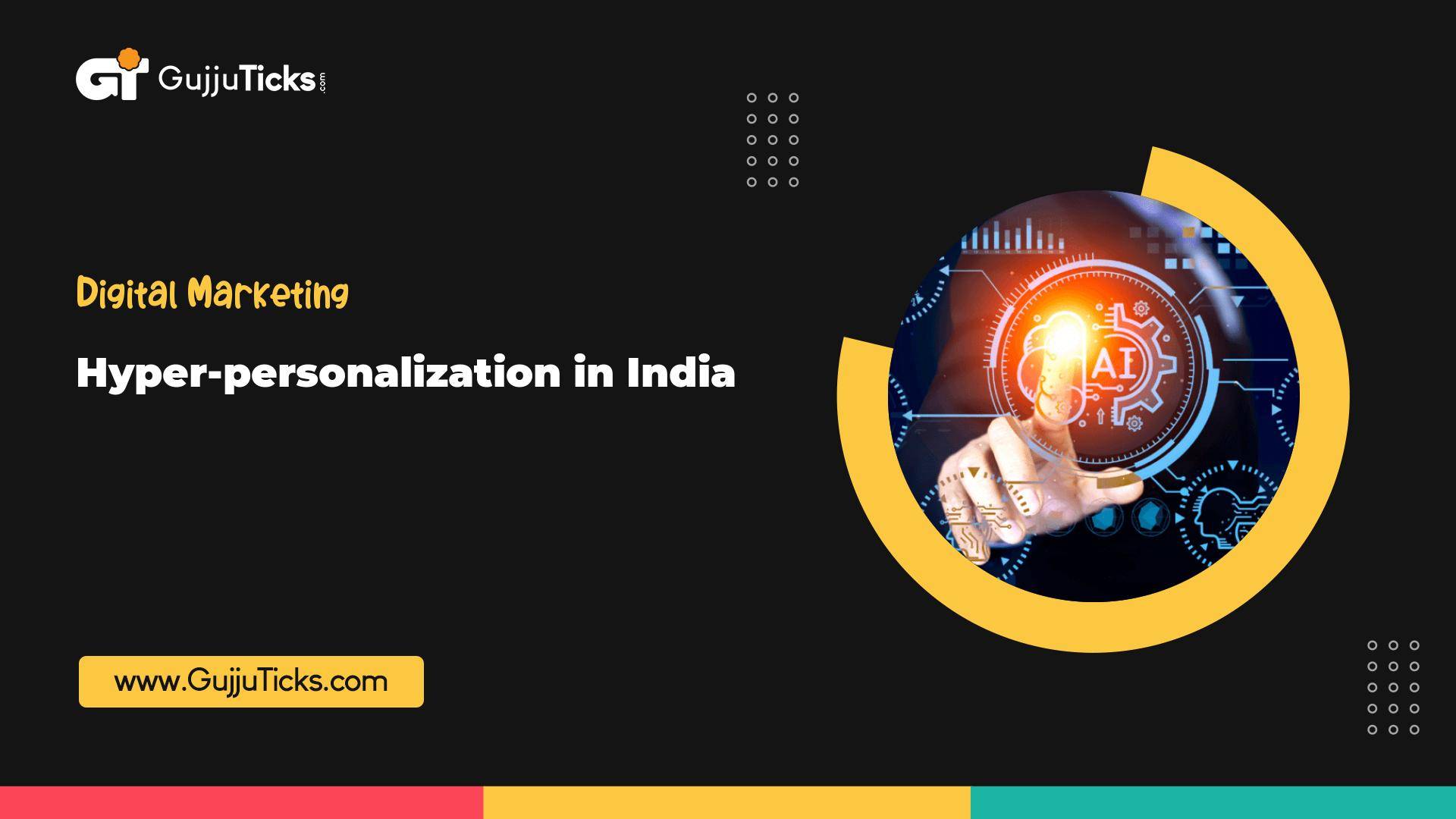
Hyper-personalization in India
Discover how Indian businesses can scale hyper-personalization in digital marketing. Learn strategies, tools, and real examples from Flipkart, Zomato, and JioMart to craft 1-to-1 customer journeys without losing efficiency.
Introduction
Today, customers in India do not just want to buy a product—they want an experience that feels personal. When someone from Gujarat shops online, they expect to see offers for Navratri dresses, kite festival (Uttarayan) deals, or even Gujarati snacks. In Mumbai, a young professional may prefer offers on mutual funds or SIPs.
This shift in expectation has given rise to hyper-personalization. It means creating 1-to-1 personalized customer journeys using technology, data, and automation. But here’s the real question:
How can businesses create personalized experiences for millions of users without losing time, efficiency, or money?
That is what we will explore in this blog—written in simple English but packed with useful insights.
What is Hyper-Personalization?
Personalization is when you see your name in an email subject line. But hyper-personalization goes much deeper.
It uses:
- Artificial Intelligence (AI)
- Machine Learning (ML)
- Customer Data Platforms (CDP)
- Predictive Analytics
With these tools, brands can track what you buy, what you search, when you log in, and even what you might want next.
Example 1: A Gujarati customer searching for “garba dress” on Amazon gets personalized recommendations for chaniya choli, matching jewellery, and festive discounts.
Example 2: A man in Ahmedabad searching for “car loan” gets a bank ad showing special EMI offers based on his salary range.
This is not luck—it is hyper-personalization at scale.
Why Hyper-Personalization Matters in India
India is a mobile-first country. Over 900 million Indians use the internet, and most are on smartphones. Cities like Ahmedabad, Surat, and Rajkot show how Tier-2 cities are now powerful digital markets.
Here’s why hyper-personalization is so important:
- High Competition – E-commerce, fintech, edtech, food delivery—every industry has tough rivals. Personalization helps brands stand out.
- Regional Needs – A Gujarati family may want UPI cashback offers for groceries, while a Bengaluru techie looks for crypto investment tips.
- Short Attention Spans – Customers scroll fast. Brands get only 2-3 seconds to grab attention.
- Trust Building – When users see ads and offers matching their culture and needs, they trust the brand more.
The Technology Behind Hyper-Personalization
Hyper-personalization needs the right mix of tools and strategies.
1. Artificial Intelligence & Machine Learning
AI studies customer behavior—what you click, how long you stay, and what you ignore.
Example: Swiggy knows if you order pizza at midnight every Friday. Next Friday, it sends a push notification: “Your Friday pizza is waiting! Flat 20% off.”
2. Predictive Analytics
This predicts future needs.
Example: If you booked a flight from Ahmedabad to Goa, your app will suggest Goa hotels, car rentals, and beach tours.
3. CRM & Customer Data Platforms (CDP)
Platforms like Zoho, HubSpot, Salesforce help store customer information and create personalized campaigns.
4. Omnichannel Marketing
Today’s customers use apps, WhatsApp, websites, and offline stores. Personalization should connect all these channels.
Strategies to Scale Hyper-Personalization
Now let’s see how businesses can personalize at scale without losing efficiency.
1. Segment Customers Wisely
Not all customers want the same thing. Group them into categories:
- Students → Affordable mobile data packs
- Working professionals → Credit cards, SIPs, EMI offers
- Gujarati homemakers → Grocery cashback offers during Diwali
2. Use AI Chatbots
Brands can use WhatsApp Business bots to answer FAQs and recommend products. These bots save time but still feel personal.
3. Dynamic Email Campaigns
Emails should change based on customer profile.
For example:
- Subject line: “Dhara, your favorite festive deals are waiting!”
- Body: Personalized with items from past searches.
4. Real-Time Personalization on Websites
If a customer from Surat visits an e-commerce site during Diwali, show them “Surat Special Saree Discounts” instead of generic banners.
5. Balance Personalization & Privacy
Indians are becoming aware of data security. Always explain how data is used and give users control to opt-out.
🇮🇳 Indian Examples of Hyper-Personalization
- Flipkart → Suggests regional festival offers like Navratri sales in Gujarat.
- Zomato → Sends food offers at your usual ordering time.
- ICICI Bank → Provides personalized loan offers based on salary and credit score.
- Jio Mart → Pushes offers on seasonal fruits (mangoes in Gujarat) or groceries.
Balancing Personalization with Efficiency
Here’s how brands can stay efficient:
- Automate Repetitive Work → Let AI send bulk messages; humans handle strategy.
- Maintain Data Quality → Wrong data leads to wrong personalization.
- A/B Testing → Test two ad versions, keep the one that works better.
Avoid Over-Personalization → Too much feels creepy.
Example: “We saw you in Ahmedabad Mall at 5 pm.”
Benefits of Hyper-Personalization
- Higher Conversions → Customers buy more when they see relevant products.
- Customer Loyalty → People trust brands that “know them”.
- Better ROI → Marketing money is used smartly.
- Scalable Growth → You can serve millions without losing speed.
Future of Hyper-Personalization in India
India’s digital marketing industry is expected to grow to $24 billion+ by 2026. Future trends include:
- Voice Search in Local Languages → Imagine searching Best car loan for me in Gujarati and getting personalized offers.
- AI Avatars → Brands will use virtual assistants to guide customers in their language.
- AR/VR Shopping → Trying sarees or jewellery virtually before buying.
- Pin-Code Based Ads → Showing hyper-local ads like “Best pizza in Vastrapur, Ahmedabad.”
Conclusion
Hyper-personalization is no longer an option—it is a must-have for businesses in India and Gujarat.
To win customers today, brands must:
- Use AI and predictive analytics
- Respect privacy
- Connect across all platforms
- Keep campaigns efficient
Customers want unique experiences. Businesses want efficiency. With hyper-personalization, both goals can be achieved.