Digital Marketing
From Influencers to AI Avatars: The Next Era of Brand Ambassadors
Discover how Indian brands are shifting from human influencers to AI avatars. Learn why virtual influencers are the future of digital marketing in India and how Gujarati businesses can benefit.
Introduction
Marketing has always changed with time. Years ago, film stars and cricketers were the only faces of advertisements in India. Later, with social media, a new trend started – influencers. These were normal people who became popular on YouTube, Instagram, and TikTok, and then started promoting products.
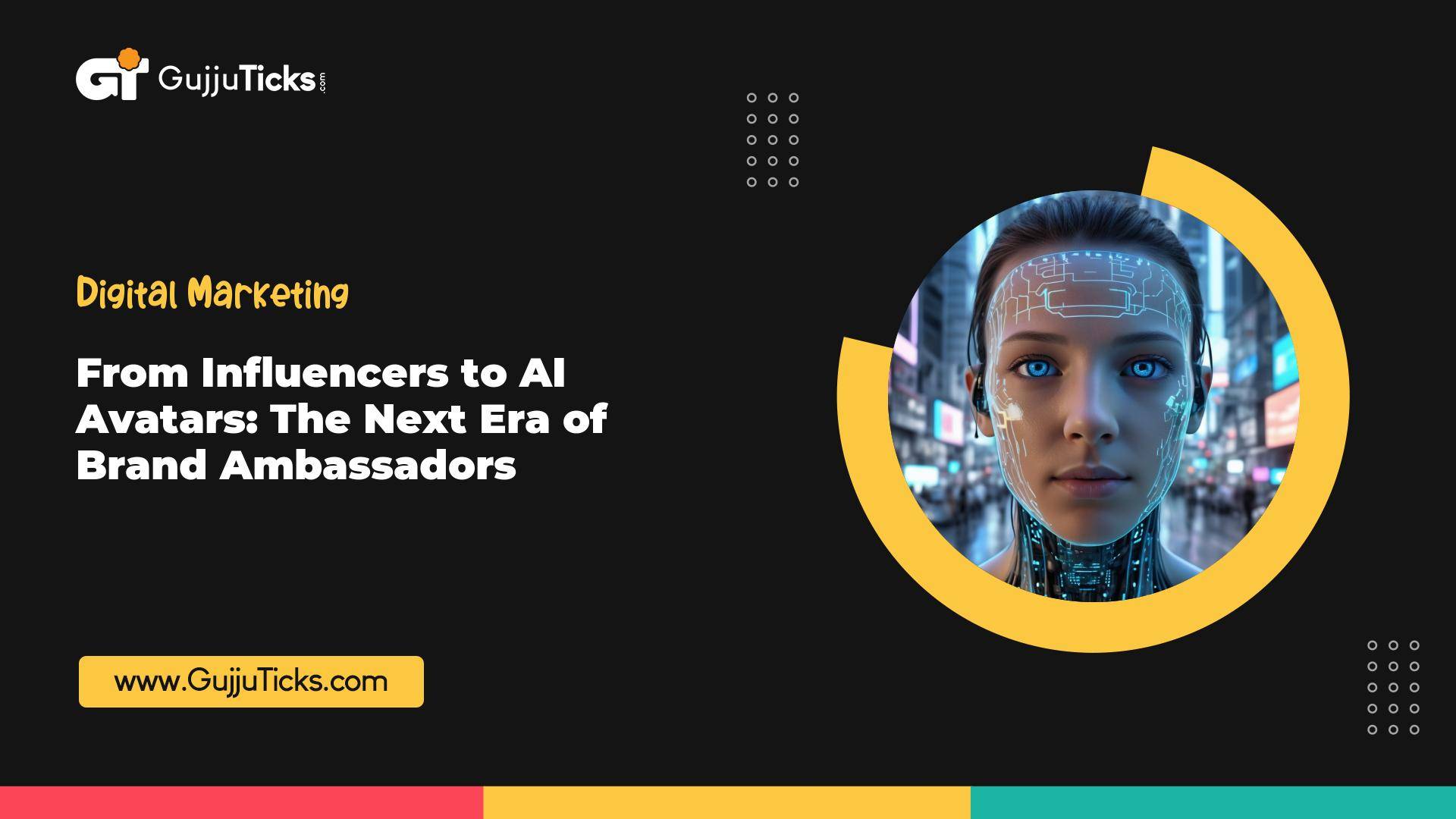
Today, another big change is happening. A new type of brand ambassador is rising – AI avatars and virtual influencers. They are not real people but computer-generated characters powered by artificial intelligence. These avatars can talk, make videos, post on social media, and even answer customer questions.
For Indian businesses, including many startups in Gujarat, this is a big opportunity. In the coming years, AI influencers will become as common as human influencers.
The Rise of Influencer Marketing in India
Before we talk about AI, let’s look at the success of influencer marketing in India.
- YouTube Creators: Tech reviewers from Gujarat, travel vloggers, and comedy creators built millions of subscribers.
- Instagram Influencers: Fashion bloggers, food reviewers, and lifestyle creators helped brands connect with niche audiences.
- Regional Language Growth: Gujarati, Hindi, Tamil, and Marathi influencers became powerful voices, showing that India is not just about English content.
Brands loved influencers because they built trust. People were more likely to try a product if their favorite creator recommended it, compared to a simple ad.
But influencer marketing has challenges:
- High cost for top creators
- Limited availability (they cannot post daily for every brand)
- Controversies that affect brand image
- Difficulty in measuring genuine ROI
These challenges have opened the door for the next evolution: AI avatars.
What Are AI Avatars and Virtual Influencers?
An AI avatar is a computer-generated character powered by artificial intelligence. It can look human, cartoonish, or futuristic. These avatars can be programmed to speak, create videos, interact in real-time, and represent a brand just like a human influencer.
Examples worldwide:
- Lil Miquela – A virtual fashion influencer with over 3 million followers on Instagram.
- Shudu – A computer-generated model known for luxury fashion campaigns.
- AI Chatbots with Faces – Companies like Replika and Synthesia create avatars that can speak multiple languages.
In India, we are beginning to see similar trends. Some Bollywood studios are creating AI-driven digital characters for promotions. Local startups in Bengaluru and Ahmedabad are also building tools to generate avatars for marketing videos.
Why Brands Are Moving Towards AI Avatars
- 24/7 Availability – Unlike human influencers, an AI avatar never gets tired. It can make hundreds of posts, reels, or ad variations in a single day.
- Cost-Effective – Once created, a virtual influencer is far cheaper than paying multiple human influencers.
- No Controversies – Human influencers can make mistakes that damage brand reputation. AI avatars can be controlled to stay on-brand.
- Multilingual Advantage – An avatar can easily speak Gujarati, Hindi, or English, making it perfect for India’s diverse market.
- Data-Driven Personalization – AI ambassadors can analyze customer behavior and create personalized video ads for each user.
This makes them extremely powerful for digital marketing, social media ads, and e-commerce campaigns.
How AI Avatars Will Change Digital Marketing in India
- Social Media Marketing
AI influencers will dominate Instagram reels, YouTube shorts, and even regional apps. A clothing brand in Ahmedabad can create a virtual model who speaks Gujarati and showcases new outfits daily. - E-commerce & Shopping Ads
Imagine visiting an online store and being welcomed by a talking AI avatar who explains product features in your local language. This can increase conversion rates. - Customer Engagement
Brands can use avatars as AI-powered chat assistants with faces. Instead of boring text chat, customers can talk to a human-like virtual guide. - Event Marketing
From Navratri to Diwali, brands can quickly design festive-themed avatars to engage audiences with cultural relevance. - Global Reach for Local Brands
A Gujarati handicraft seller can use AI avatars to showcase products in multiple languages – Gujarati, Hindi, English, and even Spanish – reaching buyers across the world.
Indian Market Readiness for Virtual Influencers
India is already embracing AI-driven marketing. Some examples:
- Regional AI Content: Startups are developing AI tools that generate voiceovers in Indian languages, including Gujarati.
- AI in Bollywood & Ads: Production houses are experimenting with virtual characters in film promotions.
- AI Startups in Gujarat: Ahmedabad and Surat have rising AI companies offering digital avatar solutions for corporate clients.
With affordable internet and high social media usage, India is the perfect market for virtual influencers.
Opportunities and Challenges
Opportunities
- Scalable Marketing: One avatar can create endless variations of campaigns.
- Personalized Branding: Brands can design unique avatars that reflect local culture (for example, a Gujarati-style AI ambassador in traditional dress).
- High CPC Keywords: For marketers, industries like finance, education, health, and e-commerce can use avatars for paid ad campaigns targeting high-value clicks.
Challenges
- Trust Issues: Some audiences may feel avatars are “fake” and less relatable than humans.
- Technology Cost: Building realistic avatars requires investment in AI tools.
- Ethical Questions: Overuse of AI may reduce opportunities for real human influencers.
Brands will need to balance between human touch and AI-driven ambassadors.
Future of Brand Ambassadors in India
Looking ahead, the future of digital marketing in India will be a hybrid model:
- Top celebrities and human influencers for mass emotional connection.
- AI avatars for consistent, personalized, and cost-effective brand presence.
We may even see regional AI influencers:
- A Gujarati AI avatar promoting Garba festival outfits.
- A Tamil AI avatar recommending local snacks.
- A Hindi AI avatar explaining financial products in simple terms.
This is not science fiction—it’s the near future. Brands that start experimenting now will have a huge competitive advantage.
Conclusion
Marketing is changing again. From film stars to Instagram influencers, and now to AI avatars – the journey shows how brands always look for new ways to connect with people.
For Indian and Gujarati businesses, AI avatars are a big opportunity. They can create videos in local languages, handle e-commerce promotions, and scale campaigns without high costs.
The smart brands will not choose between human influencers and AI avatars. Instead, they will use both together. This way, they get emotional trust from real people and digital power from AI ambassadors.
The next era of brand ambassadors is already here. Those who adopt early will lead the market.