Boost your professional image
IPO Basics: Your Guide to Initial Public Offerings
Understand the basics of IPOs in India, including their process, benefits, risks, SEBI regulations, allotment methods, and strategies for smart IPO investing.
Thinking of investing in IPOs? π From DRHP to listing day, understanding the process is the first step to smart investing. Learn the risks, rewards, and insider tips to make the most of IPO opportunities. #IPO #StockMarketIndia #IPOInvesting #MarketTrends #IndianStocks #StockMarketTips #IPOAlert #InvestingBasics #ShareMarketIndia #WealthBuilding #ListingGains #NSE #BSE #FinancialFreedom
π Login to Unlock Personalization β¨
- Want to add your logo, update your contact info, or customize posts with your brand? πΌοΈπ±π§
- Login to access your personal dashboard and make it your own! πΌπ¨
- It only takes a moment to get started β and your brand will shine in every post you share. ππ¬
Discover Curated Visual Stories
Explore a growing collection of creative posts covering history, culture, lifestyle, and more. Each set is uniquely crafted with engaging content and dynamic visuals, designed to inform, inspire, and spark curiosity. Dive into the stories that matter - one post at a time.
What is an IPO?
An IPO (Initial Public Offering) is when a private company offers its shares to the public for the first time to raise capital.
Purpose of an IPO
Companies launch IPOs to raise funds for expansion, repay debts, or improve market visibility.
How IPOs Work
IPOs are managed by investment banks, which help set the share price and allocate shares to investors.
Types of IPO
Common IPO methods include Fixed Price Issues and Book Building Issues, each with different pricing mechanisms.
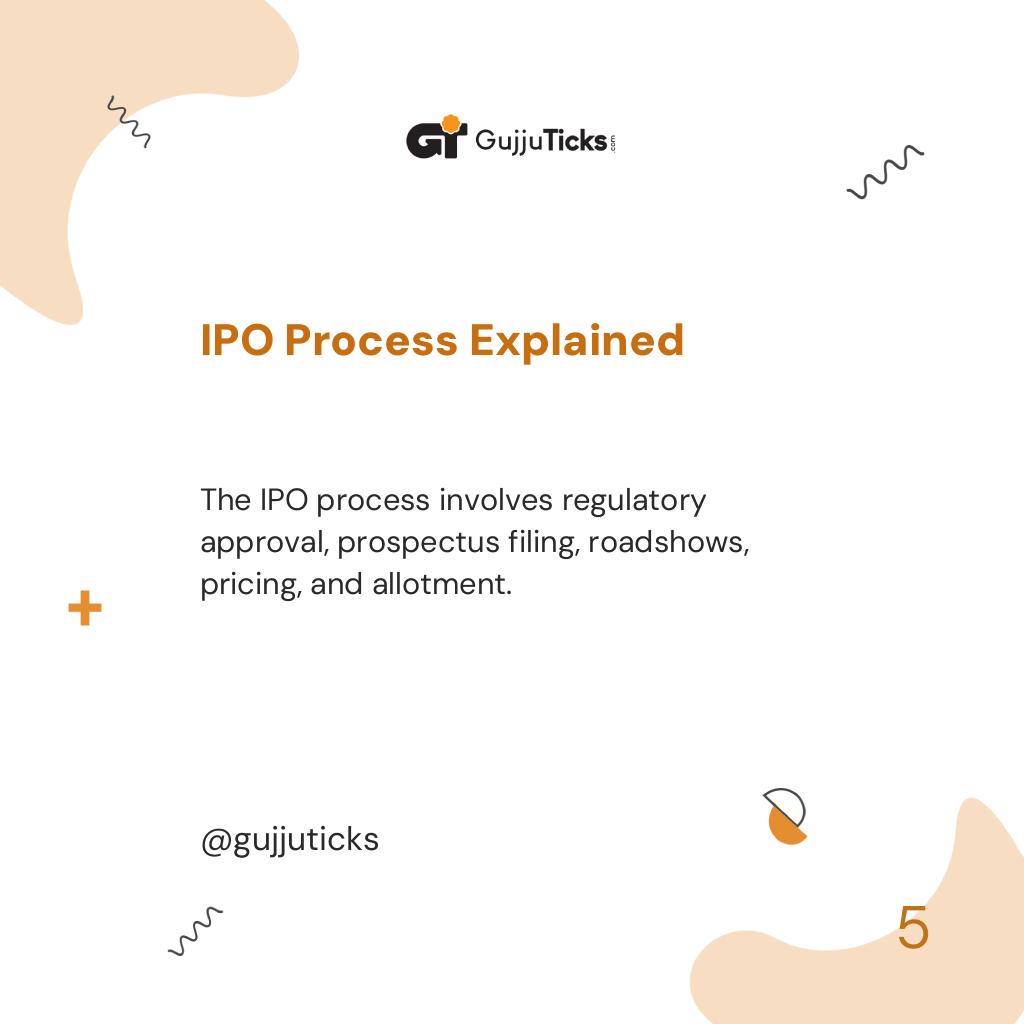
IPO Process Explained
The IPO process involves regulatory approval, prospectus filing, roadshows, pricing, and allotment.
Benefits of Investing in IPOs
IPOs can offer early investment opportunities, potential high returns, and ownership in growing companies.
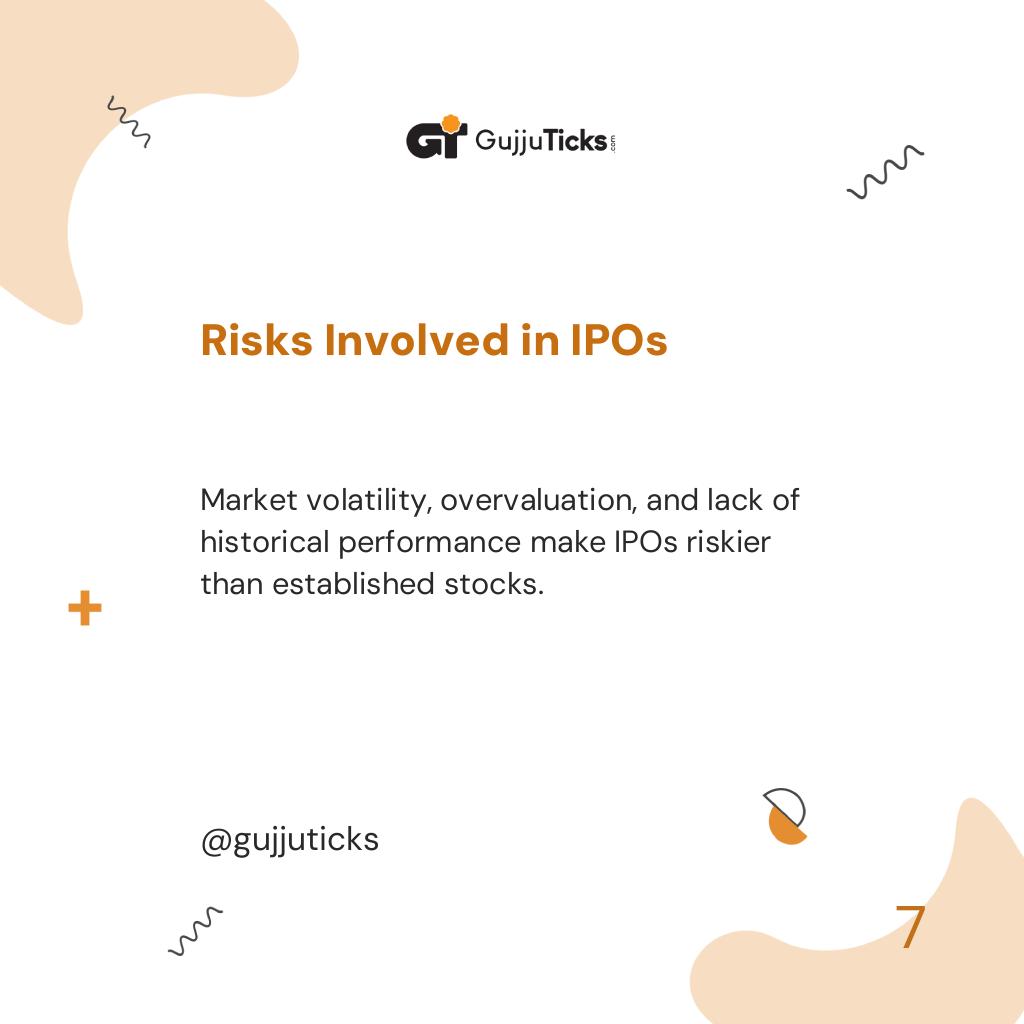
Risks Involved in IPOs
Market volatility, overvaluation, and lack of historical performance make IPOs riskier than established stocks.
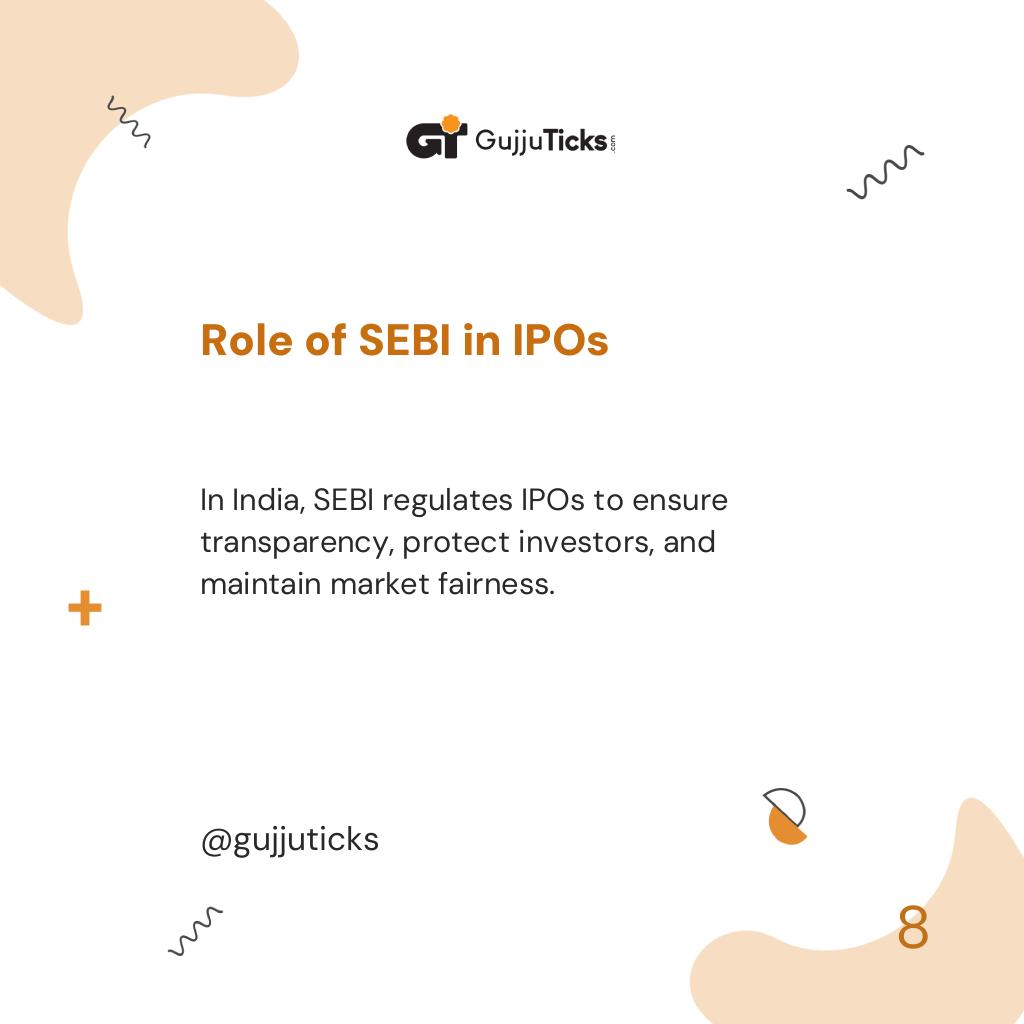
Role of SEBI in IPOs
In India, SEBI regulates IPOs to ensure transparency, protect investors, and maintain market fairness.
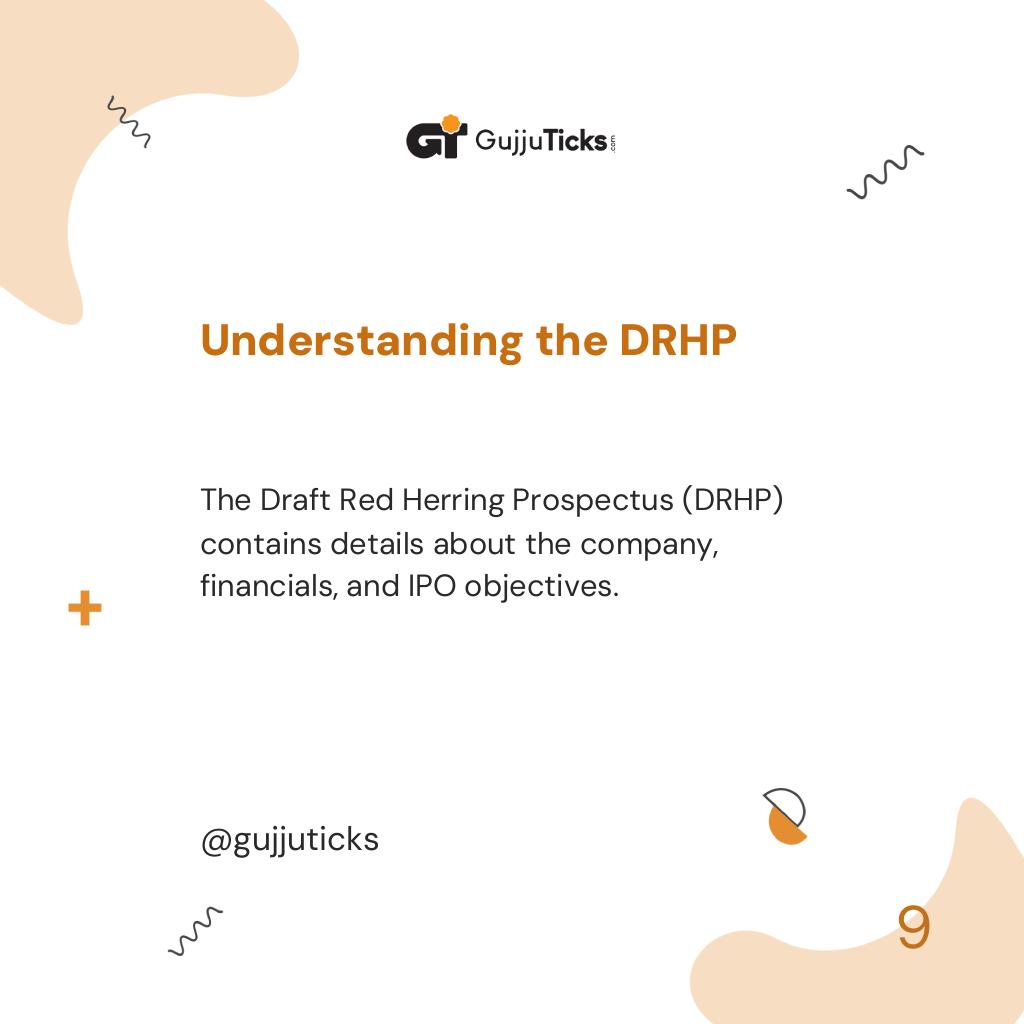
Understanding the DRHP
The Draft Red Herring Prospectus (DRHP) contains details about the company, financials, and IPO objectives.
IPO Allotment Process
Shares are allotted based on demand and availability, often through a lottery system for retail investors.
Listing Day Expectations
On listing day, share prices may rise or fall depending on demand, market sentiment, and company performance.
Long-Term vs Short-Term IPO Investment
Some investors book listing gains, while others hold IPO stocks for long-term growth potential.