Boost your professional image

Election Commission of India: Guardian of Free and Fair Elections

The Election Commission of India is an autonomous constitutional body ensuring free and fair elections in India. Learn about its powers, functions, and role in strengthening democracy.
Caption

From safeguarding democracy to ensuring every vote counts, the Election Commission of India stands as the guardian of free and fair elections. πŸ—³οΈ #ElectionCommission #ECI #IndianDemocracy #VotingRights #LokSabhaElections #StateElections #ModelCodeOfConduct #VoterAwareness #EVM #VVPAT #SVEEP #ElectionDay #PowerOfVote

πŸ”’ Login to Unlock Personalization ✨

  • Want to add your logo, update your contact info, or customize posts with your brand? πŸ–ΌοΈπŸ“±πŸ”§
  • Login to access your personal dashboard and make it your own! πŸ’ΌπŸŽ¨
  • It only takes a moment to get started β€” and your brand will shine in every post you share. πŸŒŸπŸ’¬

Discover Curated Visual Stories

Explore a growing collection of creative posts covering history, culture, lifestyle, and more. Each set is uniquely crafted with engaging content and dynamic visuals, designed to inform, inspire, and spark curiosity. Dive into the stories that matter - one post at a time.

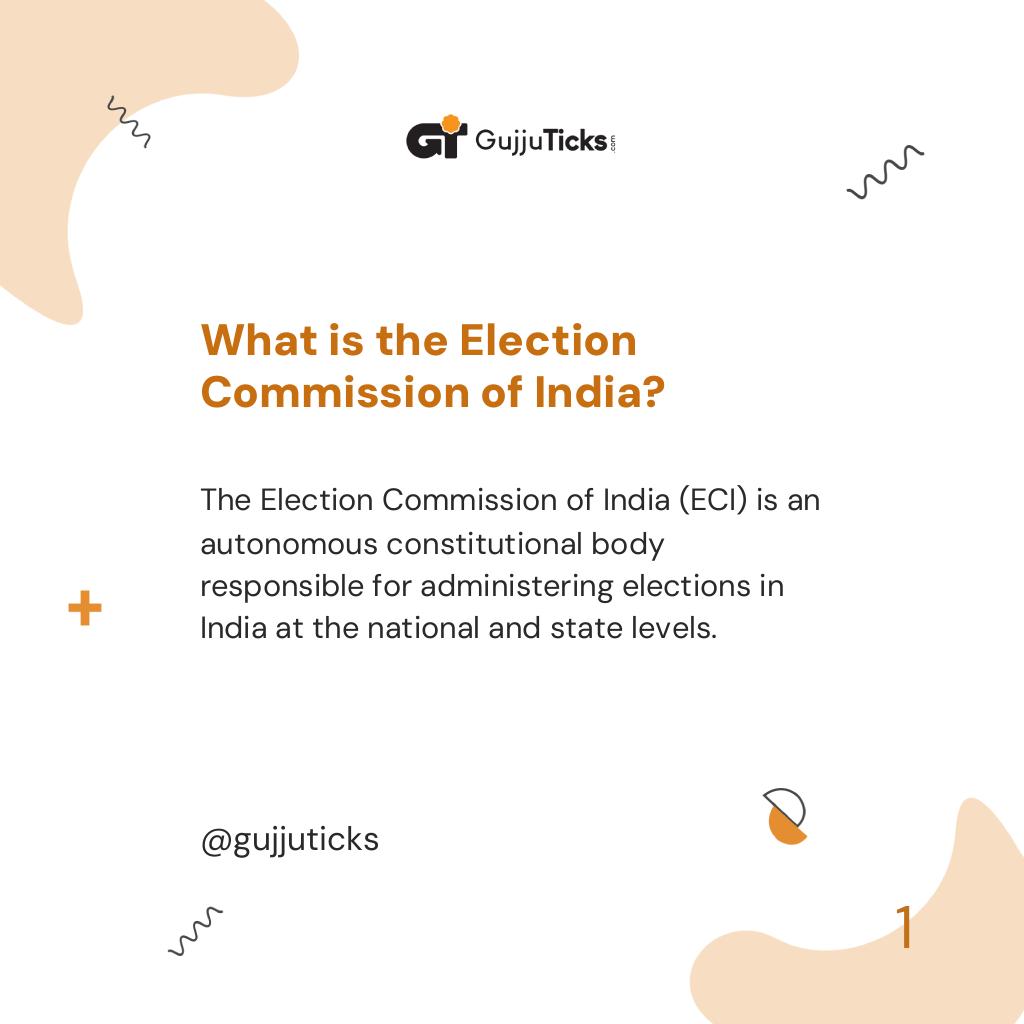
What is the Election Commission of India?
What is the Election Commission of India?

The Election Commission of India (ECI) is an autonomous constitutional body responsible for administering elections in India at the national and state levels.

Constitutional Status of ECI

Constitutional Status of ECI

Established in 1950, the ECI operates under Article 324 of the Indian Constitution to ensure free and fair elections.

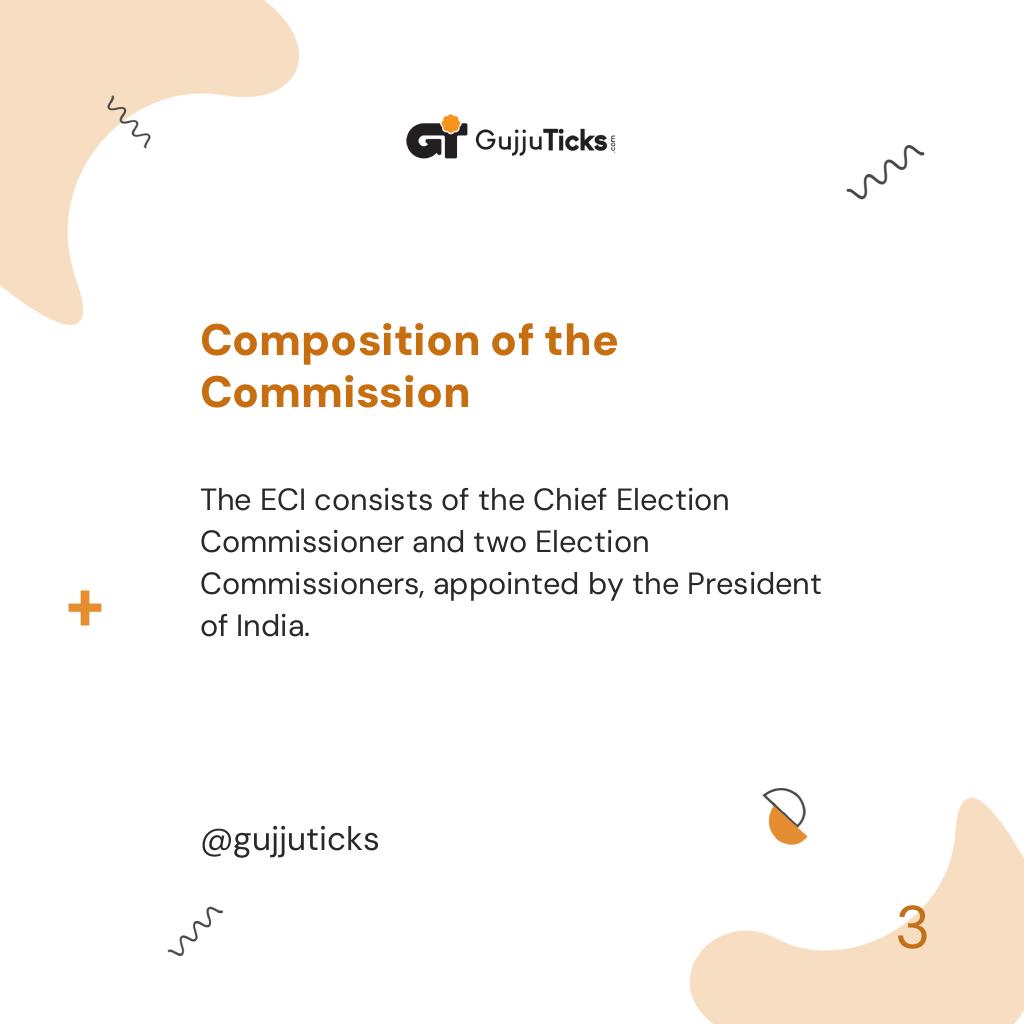
Composition of the Commission

Composition of the Commission

The ECI consists of the Chief Election Commissioner and two Election Commissioners, appointed by the President of India.

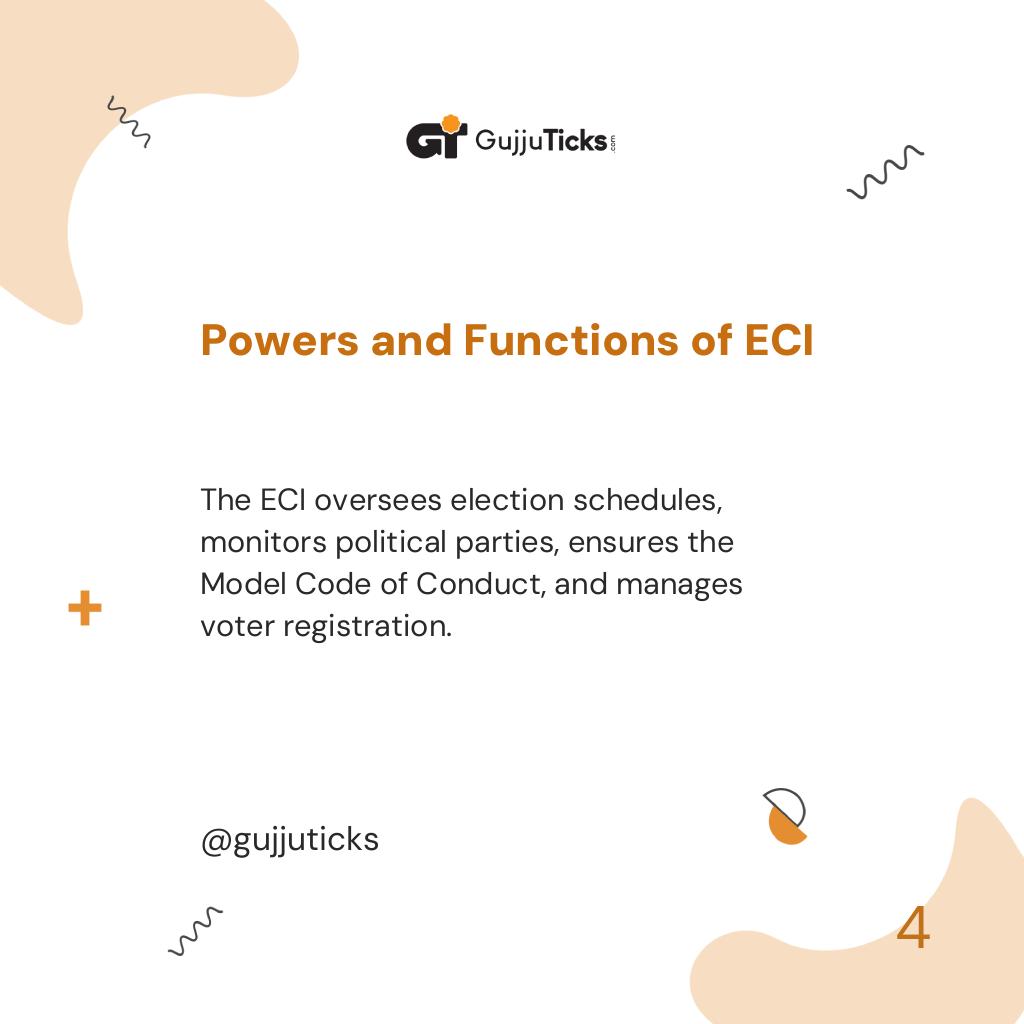
Powers and Functions of ECI

Powers and Functions of ECI

The ECI oversees election schedules, monitors political parties, ensures the Model Code of Conduct, and manages voter registration.

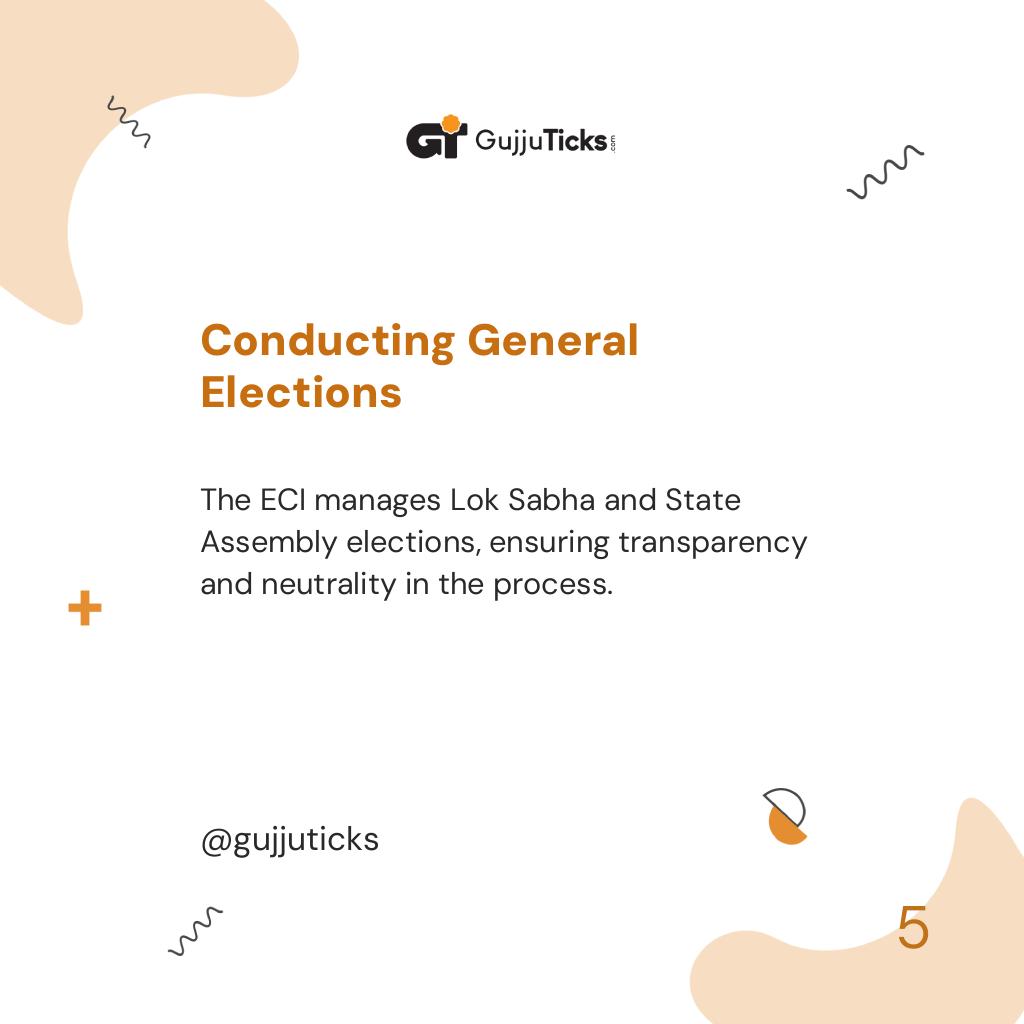
Conducting General Elections

Conducting General Elections

The ECI manages Lok Sabha and State Assembly elections, ensuring transparency and neutrality in the process.

Model Code of Conduct

Model Code of Conduct

A set of guidelines issued by the ECI to regulate the behavior of political parties and candidates during elections.

Voter ID and Registration

Voter ID and Registration

The ECI facilitates voter registration, updates the electoral roll, and issues Voter ID cards to eligible citizens.

Use of EVMs and VVPATs

Use of EVMs and VVPATs

Electronic Voting Machines (EVMs) and Voter Verifiable Paper Audit Trails (VVPATs) are used to ensure transparency in voting.

Monitoring Election Expenses

Monitoring Election Expenses

The ECI keeps a check on the expenditure of political parties and candidates to prevent undue influence in elections.

Promoting Voter Awareness

Promoting Voter Awareness

Through SVEEP campaigns, the ECI educates citizens on the importance of voting and encourages higher turnout.

By-elections and Local Body Elections
By-elections and Local Body Elections

Apart from general elections, the ECI also conducts by-elections and supervises local body elections in some states.

Significance of ECI in Democracy

Significance of ECI in Democracy

The ECI plays a vital role in strengthening Indian democracy by ensuring elections are free, fair, and impartial.

Get New Notification!

Subscribe & get all related notification.