

Gujarat Tourism
Dwarka Travel Guide – Explore the Sacred City of Lord Krishna
Plan your perfect trip to Dwarka, Gujarat – one of the Char Dham pilgrimage sites. Discover Dwarkadhish Temple, Bet Dwarka, Gomti Ghat, and coastal wonders in this detailed travel guide.
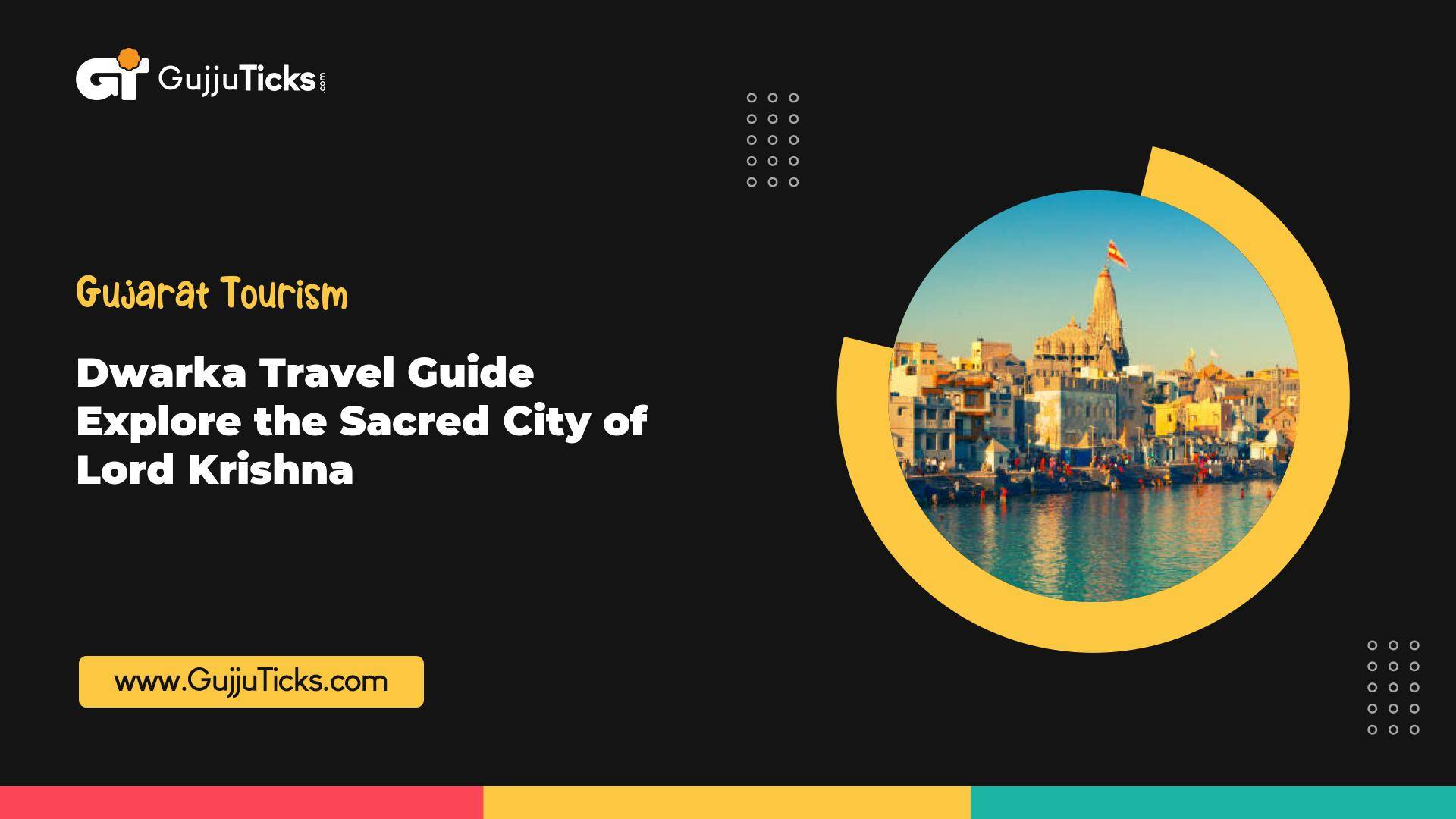
Introduction – The Divine Gateway of Dwarka
Located on the western tip of Gujarat, Dwarka is more than just a city—it's a spiritual experience, a slice of mythology, and a must-visit coastal destination. Revered as one of the Char Dham pilgrimage sites, Dwarka is believed to be the ancient kingdom of Lord Krishna. For Gujaratis and Hindu devotees around the world, this sacred city is both a timeless treasure and a peaceful escape into divinity.
In this guide, we uncover everything you need to know about Dwarka tourism—from historical temples and sacred rituals to coastal attractions and local culture—making it easier for you to plan your next unforgettable trip.
1. Dwarkadhish Temple – The Soul of Dwarka
No visit to Dwarka is complete without offering prayers at the Dwarkadhish Temple, also known as Jagat Mandir. Built over 2,500 years ago and restored by Raja Jagat Singh, this temple is dedicated to Lord Krishna, worshipped here as “Dwarkadhish” – King of Dwarka.
The temple's five-story structure, intricate carvings, and 72-pillared sanctum reflect classic Chalukya architecture. Early morning and evening aarti ceremonies create an atmosphere soaked in devotion. During Janmashtami and Kartik Purnima, the temple draws thousands of devotees.
Pro Tip: Arrive early for Mangala Aarti and avoid heavy crowds later in the day.
2. Bet Dwarka – Krishna’s Island Abode
Located around 30 km from Dwarka city, Bet Dwarka is said to be the original residence of Lord Krishna. You’ll need to take a short ferry ride from Okha port, which itself is a scenic experience. The island is home to Krishna temples, Hanuman Dandi, and other mythological spots that are believed to be connected to Lord Krishna's family.
The temple here was built by Guru Vallabhacharya and is considered part of the Sapta Puris (seven sacred cities). Pilgrims often carry rice as an offering, a custom believed to be from the Mahabharata era.
3. Gomti Ghat – Sacred Waters of Liberation
Right beside the Dwarkadhish Temple is the Gomti Ghat, where the sacred Gomti River meets the Arabian Sea. Devotees take holy dips here to purify their soul. You can also see small shrines of Rukmini, Lakshmi Narayan, and Samudra Narayan along the ghat.
Watching the sunrise or sunset here is truly magical. The boat ride across Gomti Creek offers a different perspective of the temple skyline.
4. Rukmini Devi Temple – A Story of Separation
About 2 km from the main Dwarkadhish Temple lies the Rukmini Devi Temple, dedicated to Lord Krishna's wife. While not as crowded, this temple holds deep religious and mythological importance. According to legend, the temple’s distance from the main sanctum represents a curse that caused separation between Krishna and Rukmini.
The temple’s intricate carvings and peaceful surroundings make it ideal for quiet reflection.
5. Nageshwar Jyotirlinga – One of the 12 Sacred Jyotirlingas
Located between Dwarka and Bet Dwarka, Nageshwar Jyotirlinga is considered one of the 12 holy Jyotirlingas of Lord Shiva. This temple features a massive 25-meter Shiva statue that can be seen from afar.
The spiritual vibes, coupled with the clean temple premises, make it a must-stop for pilgrims and spiritual seekers alike.
6. Dwarka Beach – Where Divinity Meets the Sea
Beyond temples and legends, Dwarka also boasts a serene beach with golden sand and calm blue waters. Ideal for an evening walk or relaxing with family, Dwarka Beach offers a picturesque view of the Arabian Sea.
You can also enjoy camel rides, local snacks, or simply sit on the rocks to feel the coastal breeze. It’s also a popular spot for photographers capturing the temple skyline during sunset.
7. Local Culture, Food & Shopping in Dwarka
Dwarka has preserved its Gujarati traditions and Saurashtrian charm. The local markets near the temple sell religious souvenirs, conch shells, tulsi malas, brass idols, and local handicrafts.
Must-try foods:
- Farsan (snacks like khaman, gathiya)
- Kathiyawadi thali
- Local pickles and dry snacks
Being a religious city, most eateries serve pure vegetarian food, and even Jain food options are widely available.
8. Best Time to Visit Dwarka
The best time to explore Dwarka is between October and March, when the weather is pleasant and perfect for temple visits and sightseeing. Summers can be hot, and monsoon may disrupt travel plans.
If you're planning for a spiritual experience, visiting during Janmashtami (August–September) brings out the city's most vibrant and devotional atmosphere.
9. How to Reach Dwarka
By Air:
The nearest airport is in Jamnagar (approx. 130 km), which is well-connected to Ahmedabad and Mumbai.
By Train:
Dwarka Railway Station is well-connected to major cities in Gujarat and India like Rajkot, Ahmedabad, and Mumbai.
By Road:
Dwarka is easily accessible by road with regular GSRTC buses and private taxis from Jamnagar, Porbandar, and Ahmedabad.
10. Where to Stay in Dwarka
Dwarka offers accommodation for every budget. From budget dharamshalas and ashrams to mid-range hotels and premium resorts, you’ll find plenty of options near the temple area.
Top Picks:
- Hawthorn Suites by Wyndham
- The Fern Sattva Resort
- VITS Devbhumi Hotel
- Dwarkadhish Lords Eco Inn
Why Gujaratis Must Visit Dwarka
For Gujaratis, Dwarka is more than a tourist destination—it's a spiritual duty and cultural legacy. Visiting Dwarka is about rediscovering our roots, connecting with Krishna, and feeling a sense of belonging.
From senior citizens on a Char Dham Yatra to families wanting a peaceful weekend, Dwarka suits all age groups. Its blend of mythology, coastal charm, and authentic Gujarati culture makes it one of Gujarat’s most treasured jewels.
Final Thoughts
Dwarka is where faith meets the sea, and every corner tells a story from the times of Krishna. Whether you're seeking spiritual fulfillment, cultural enrichment, or simply a relaxing trip along Gujarat's coast, Dwarka delivers on all fronts.
So pack your bags, chant "Jai Dwarkadhish," and get ready to explore one of India’s oldest and most sacred cities.


